 GO TO DONIZETTI OPERA
 GO TO BERGAMO JAZZ
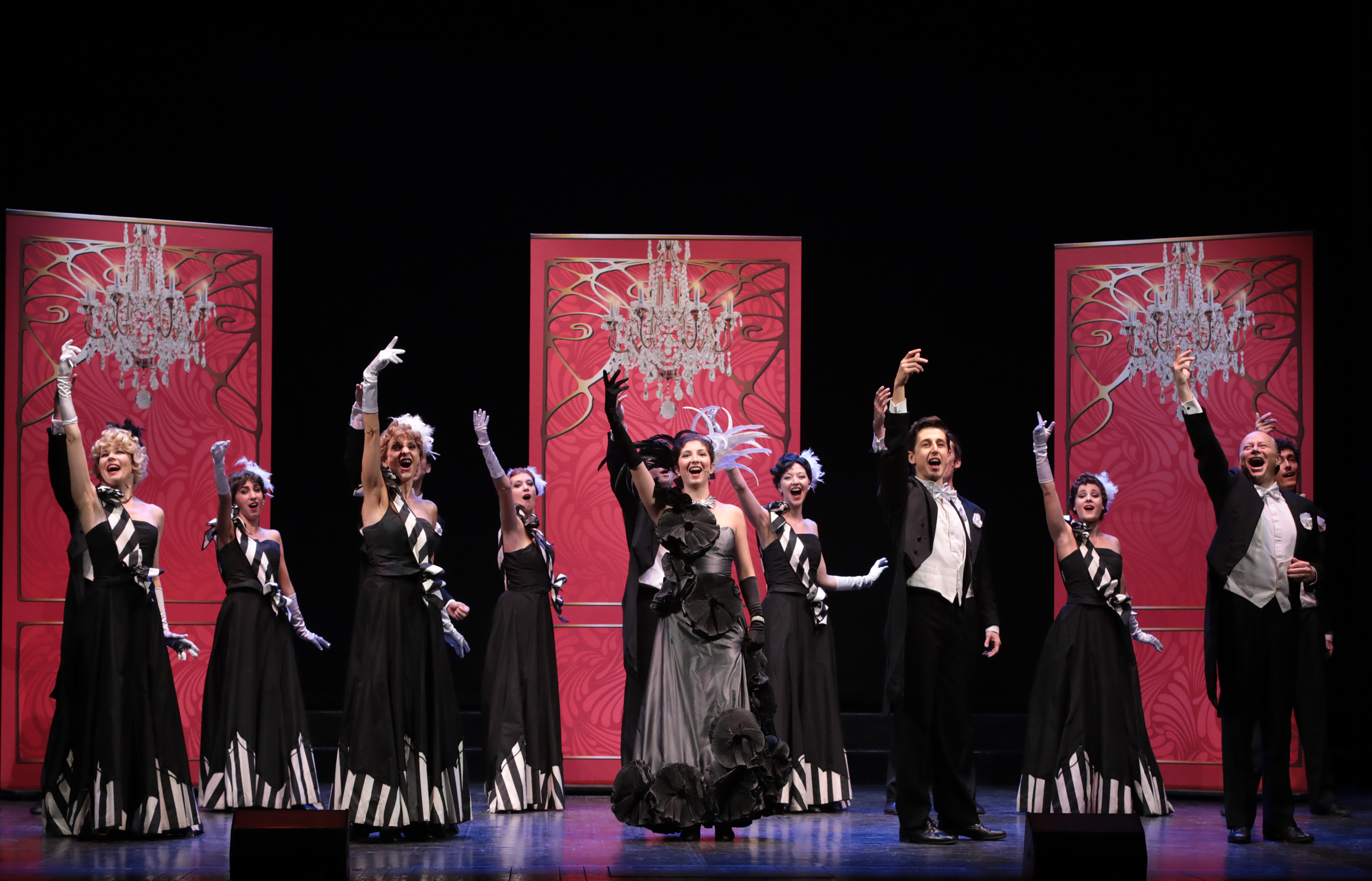
Operetta Season 2026 is approaching: “The Merry Widow” arrives on Sunday.
Operetta Season 2026 The Merry Widow with the Corrado Abbati Company Sunday, January 11 at the Donizetti Theatre The Operette Season 2026 of the Donizetti Theater Foundation is just around the corner: on Sunday, January 11 (3:30 p.m.) the first of three titles on the bill is scheduled at the city's main theater, The Merry Widow, a classic of the operetta repertoire brought to the stage on this occasion by the Compagnia Corrado Abbati. An operetta in three parts by Franz Lehár to a libretto by Victor Léon and Leo Stein based on the play L'Attaché d'ambassade by Henri Meilhac, The Merry Widow is still one of the most performed shows in the world. And if it still fills theaters today and audiences enjoy it and applaud warmly, something special must be wrong with it. The Merry Widow is, in fact, a myth that despite its age shows no wrinkles. Built on fertile musical inventiveness, with iconic songs such as the march "Women, women eternal gods...," the operetta rests on the sympathy of a text steeped in themes that are still relevant today: power, money, jealousies, love. Compagnia Corrado Abbati's edition makes the most of the innate theatrical sense and dynamic narrative that distinguish the performances of the director and actor who directs it, as well as a colorful staging that highlights the elegance of Lehár's music with its iridescent, romantic hues and frenzied rhythmic jubilation. Starting from the term "lightness" given by Italo Calvino in the first chapter of the American Lectures, namely "lightness as a reaction to the weight of living," and aware that in the collective imagination the term "operetta" is combined with the term "smile," the director's intention in this edition of The Merry Widow is not to deny what is the typical characteristic of operetta: the desire for reassuring emotions. The work was, therefore, to create a show capable of arousing cheerfulness, as, moreover, was the intention of the author who scattered The Merry Widow with many cues on a diplomatic plot, where secret desires and erotic or political interests are not hidden and are resolved to the rhythm of a waltz but also of a can-can. A rhythmic sweep that the director has taken into account, recreating a sense of elegance and balance of the theatrical machine, capable of capturing the jubilant and irrational momentum of joyous escapism. Also capable of arousing enthusiasm and desire to party together, breaking down the fourth wall to foster exchange and empathy between hall and stage. Plot At the Pontevedro embassy in Paris, there is great excitement. Mrs. Anna Glavari, the young widow of the very rich court banker, is arriving. The ambassador, Baron Zeta, has been instructed to find a Pontevedrian husband for the widow, and this is to keep the lady's millions in dowry, back home. For if Mrs. Glavari were to pass into a second marriage with a Frenchman, her capital would leave the Pontevedrian National Bank and it would be economic ruin for
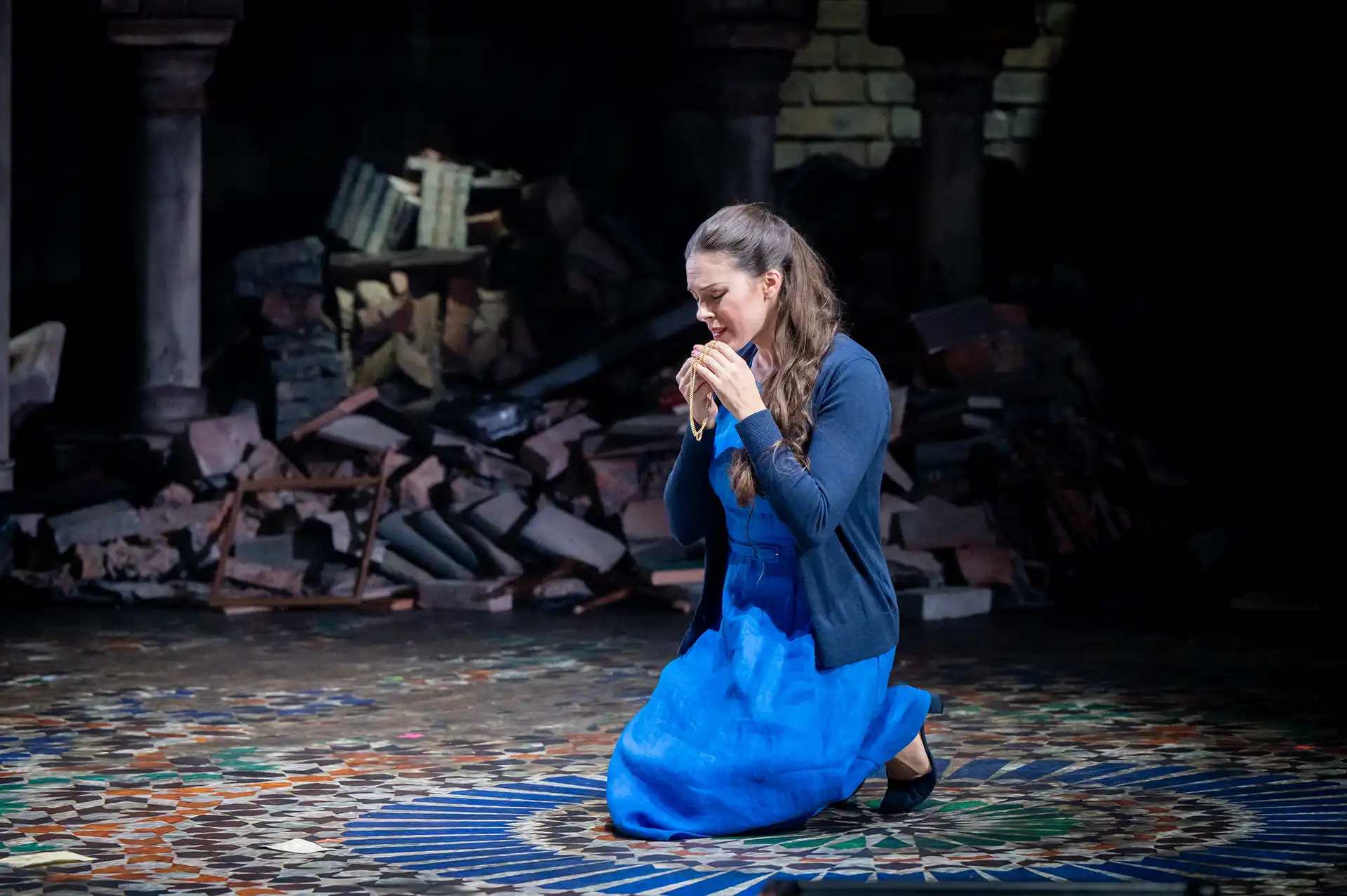
ZORAIDA DI GRANATA: IL TITOLO DEL PROGETTO #DONIZETTI200 IN SCENA AL TEATRO SOCIALE
Dopo due secoli torna sul palcoscenico la rarità donizettiana nella versione del 1824 Alberto Zanardi sul podio dell’orchestra con
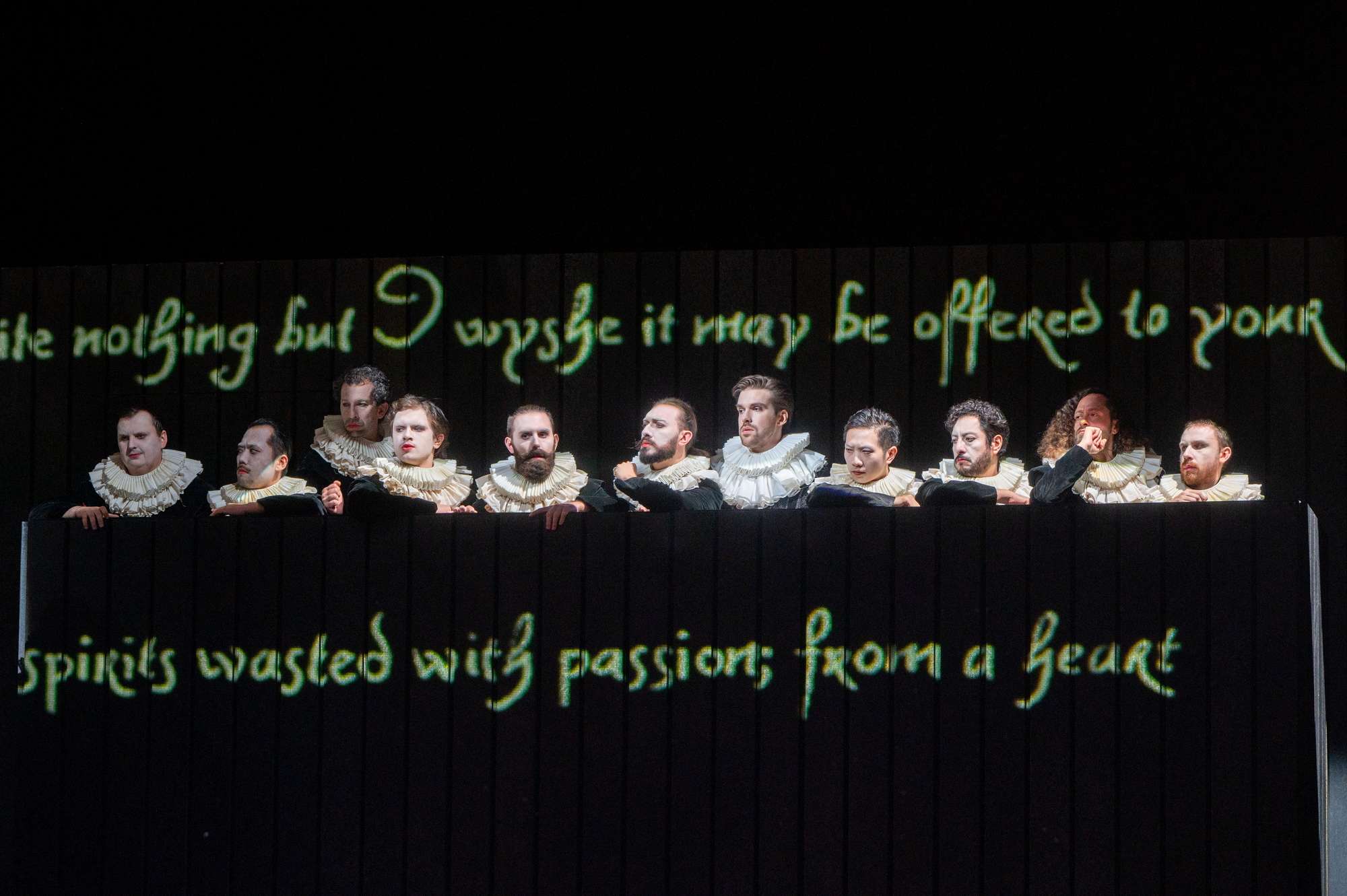
ROBERTO DEVEREUX FIRST OPERA TITLE OF THE 10TH EDITION OF DONIZETTI OPERA
On the podium is festival music director Riccardo Frizza; direction is by Stephen Langridge As Elizabeth I the soprano Jessica
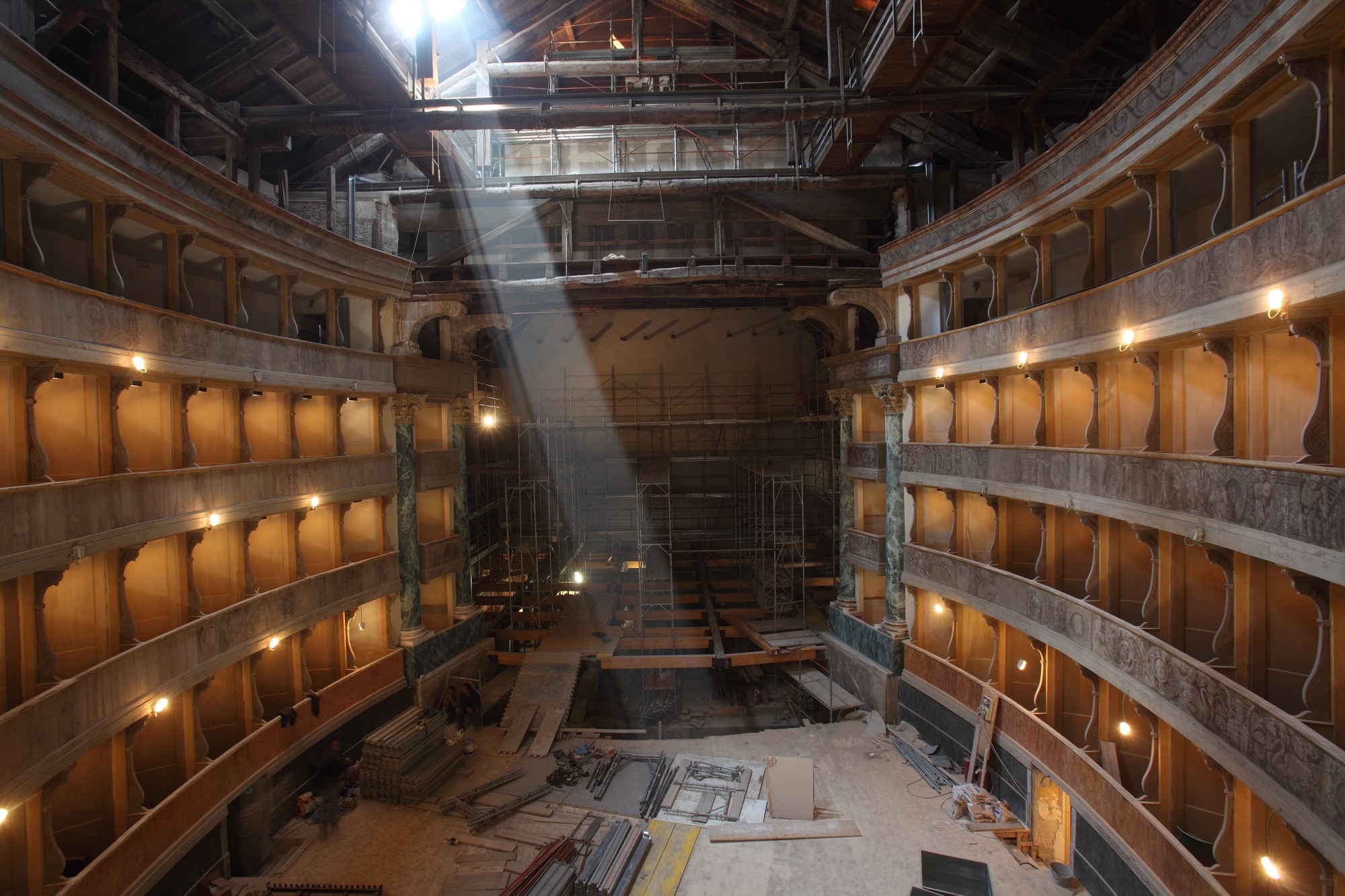
Restorations: 2006-2009
The restoration work, begun in 2006 and completed in May 2009, delivers to the city a historic theater completely
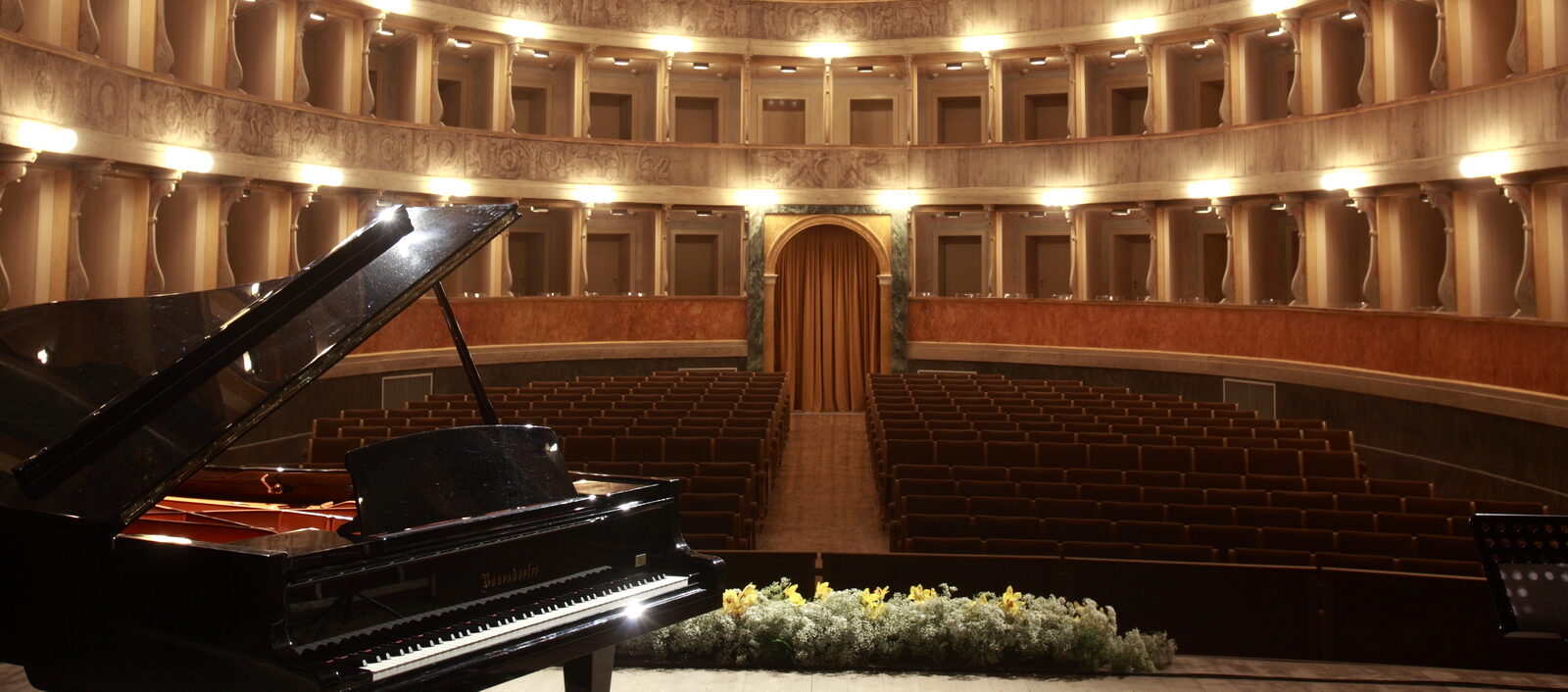
The project for an Italian-style theater
Leopoldo Pollack, among the most celebrated architects of the Neoclassical period, was entrusted with the project for the new
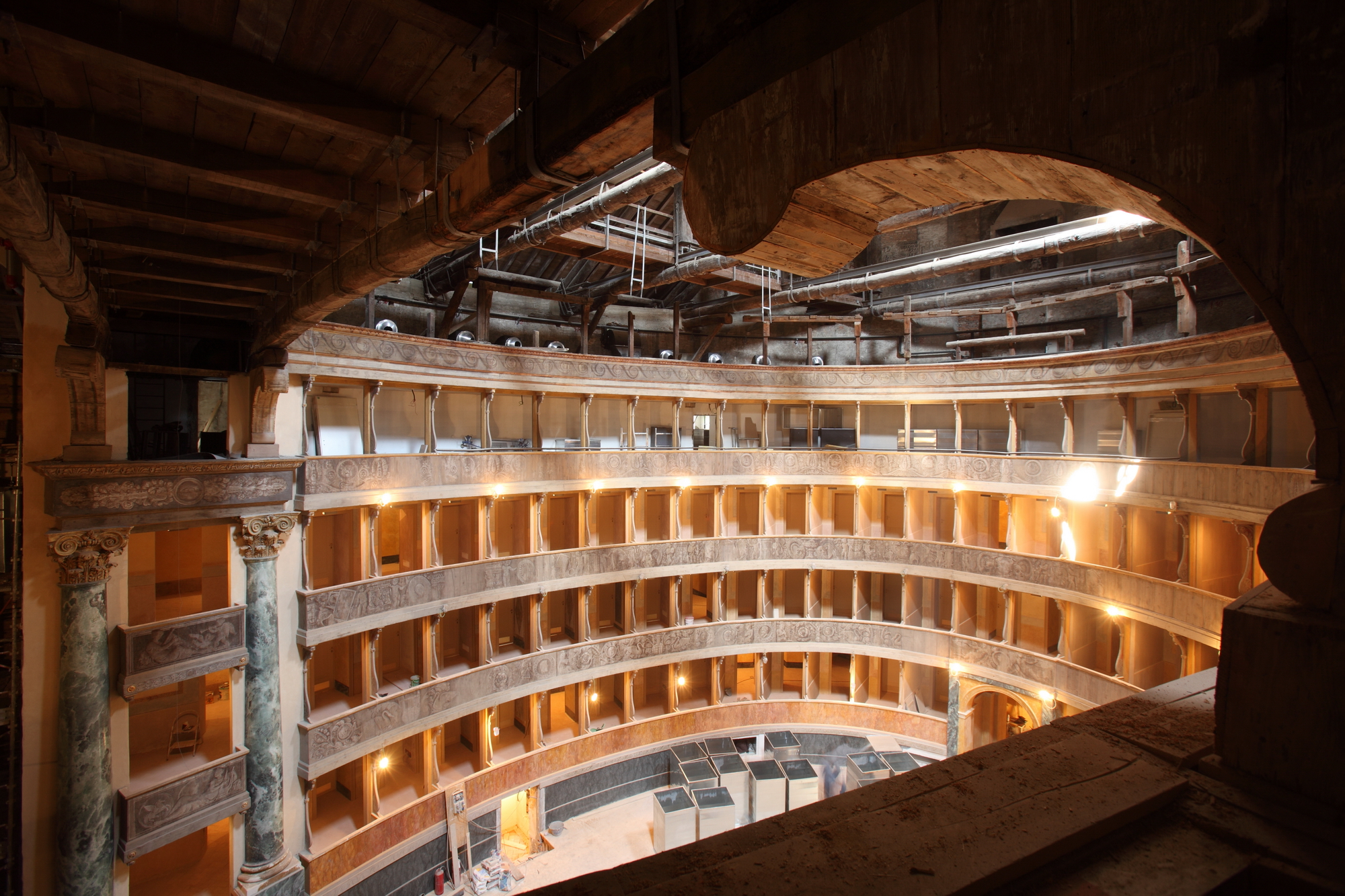
The transformations of the theater
The difficulties of the Social Theater, towards the end of the 19th century, became emblematic of those of the
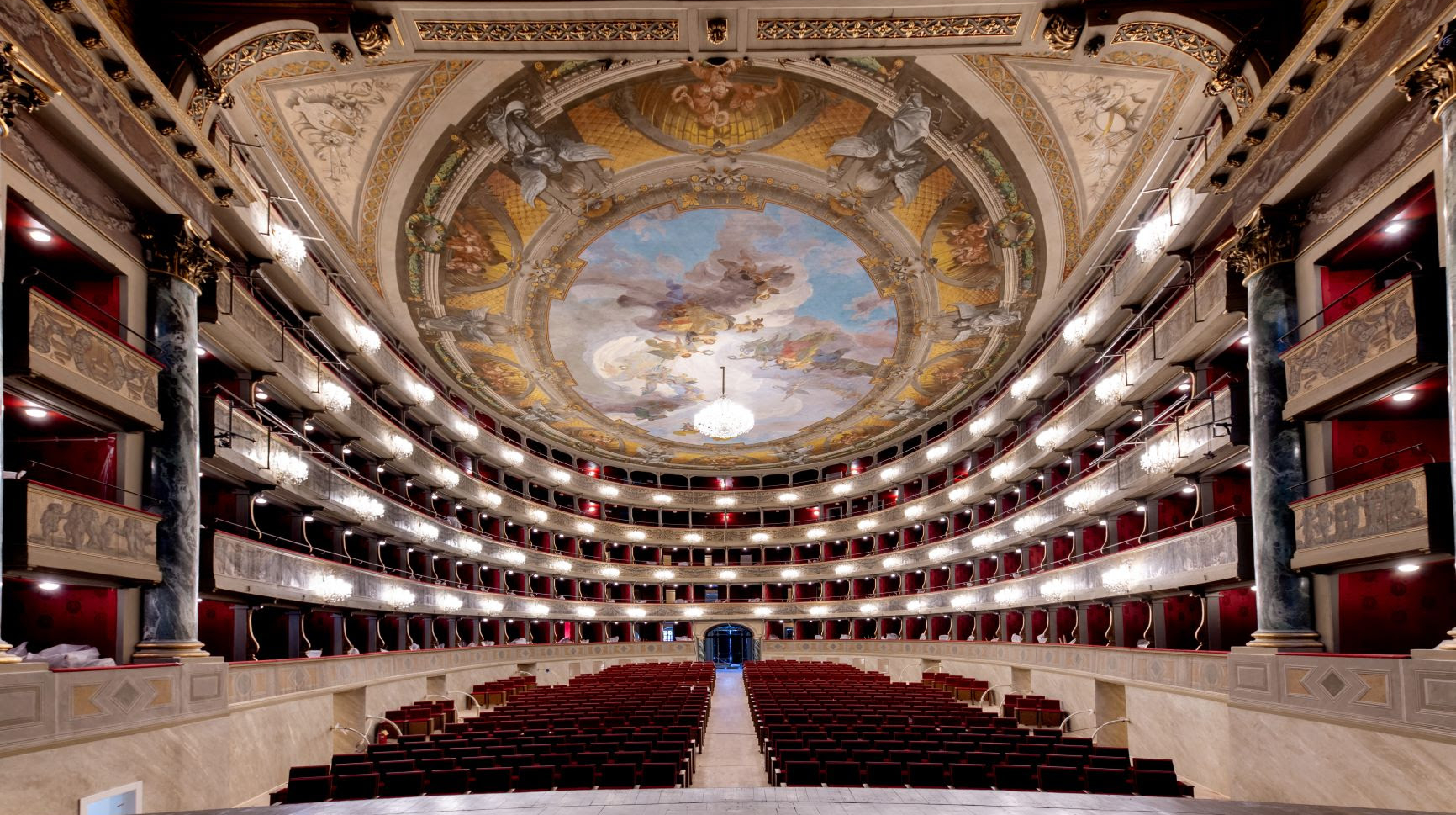
“D’incanto”: the reopening of Bergamo’s Donizetti Theater after restoration
Starting Friday, May 28, a month-long celebration of guided tours, performances and concerts under the banner of the diverse art
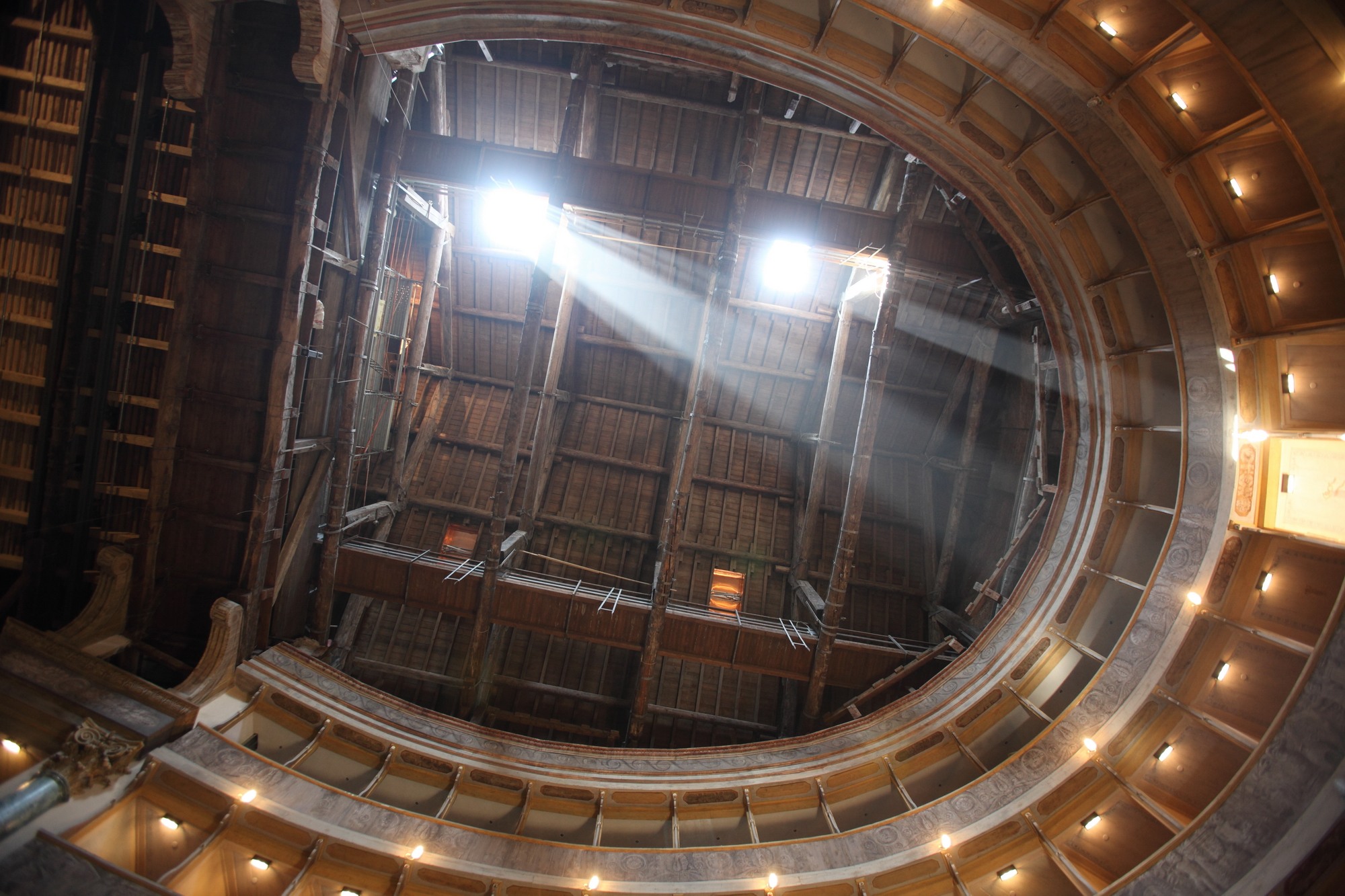
The origins of the Social Theater
The Society Theater, this was the original name, opened its doors in the 1809 Carnival season.. It was born
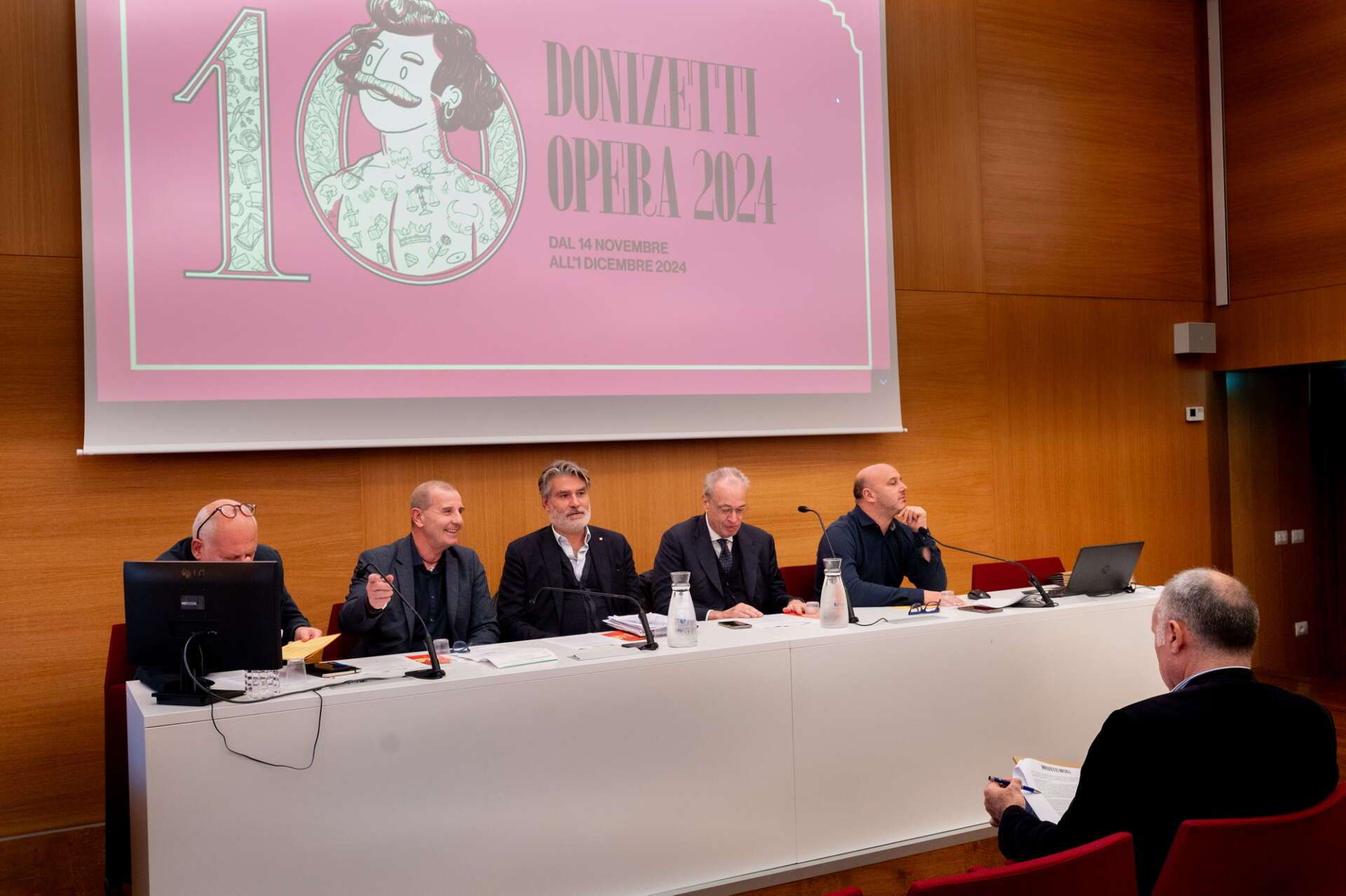
DONIZETTI OPERA 2024: FESTIVAL OPENS ITS DOORS TO THE PUBLIC WITH MEETINGS AND REHEARSALS
It begins with "The Enigma of Peace. Necessary Aspiration, Inevitable Conflict" meeting related to the subject of Zoraida di Granata

BERGAMO JAZZ 2025: Sounds of Joy. Presentato in anteprima il programma del Donizetti e del Sociale della 46a edizione
Sounds of Joy: is the title Joe Lovano wanted to imprint on the 2025 edition of the Bergamo Jazz Festival,
DONIZETTI OPERA 2024: TENTH EDITION OF FESTIVAL DEDICATED TO THE COMPOSER FROM BERGAMO
Celebratory program with two masterpieces: Roberto Devereux and Don Pasquale Zoraida di Granata is the rarity for #donizetti200 LU

DONIZETTI EDUCATION: A TRAINING DAY ENTIRELY DEDICATED TO TEACHERS
On Saturday, October 19 at the Donizetti Theater, meetings dedicated to teachers of all grades were held in preparation for

HISTORY LESSONS 2025: “Rebels” from Jan. 18 to March 1, 2025
Five appointments scheduled on Saturday mornings at the Donizetti Theater from Jan. 18 to March 1, 2025: after the