
 GO TO DONIZETTI OPERA
 GO TO BERGAMO JAZZ

East and West
Eastern and Western cultures have always interacted, and despite clashes and resistance of all kinds, each has contributed significantly to the development of the other. Beyond the events linked to wars and the rise and fall of great empires, there are also clear examples of cultural exchange and influence that have created mutual debts and credits, often highly beneficial to the world’s intellectual progress. All of this is illustrated, as far back as twenty-five centuries ago, by the conflictual relationship between the Greeks and the Persians; it is illustrated by the tension and attraction the Romans felt toward their many “Orients” (among which, as we shall see, was the complex Jewish world); and it is evident even today in the contemporary West with its distrust of the rest of the planet.
All meetings will be held at the Donizetti Theater.
MEETINGS: EAST AND WEST
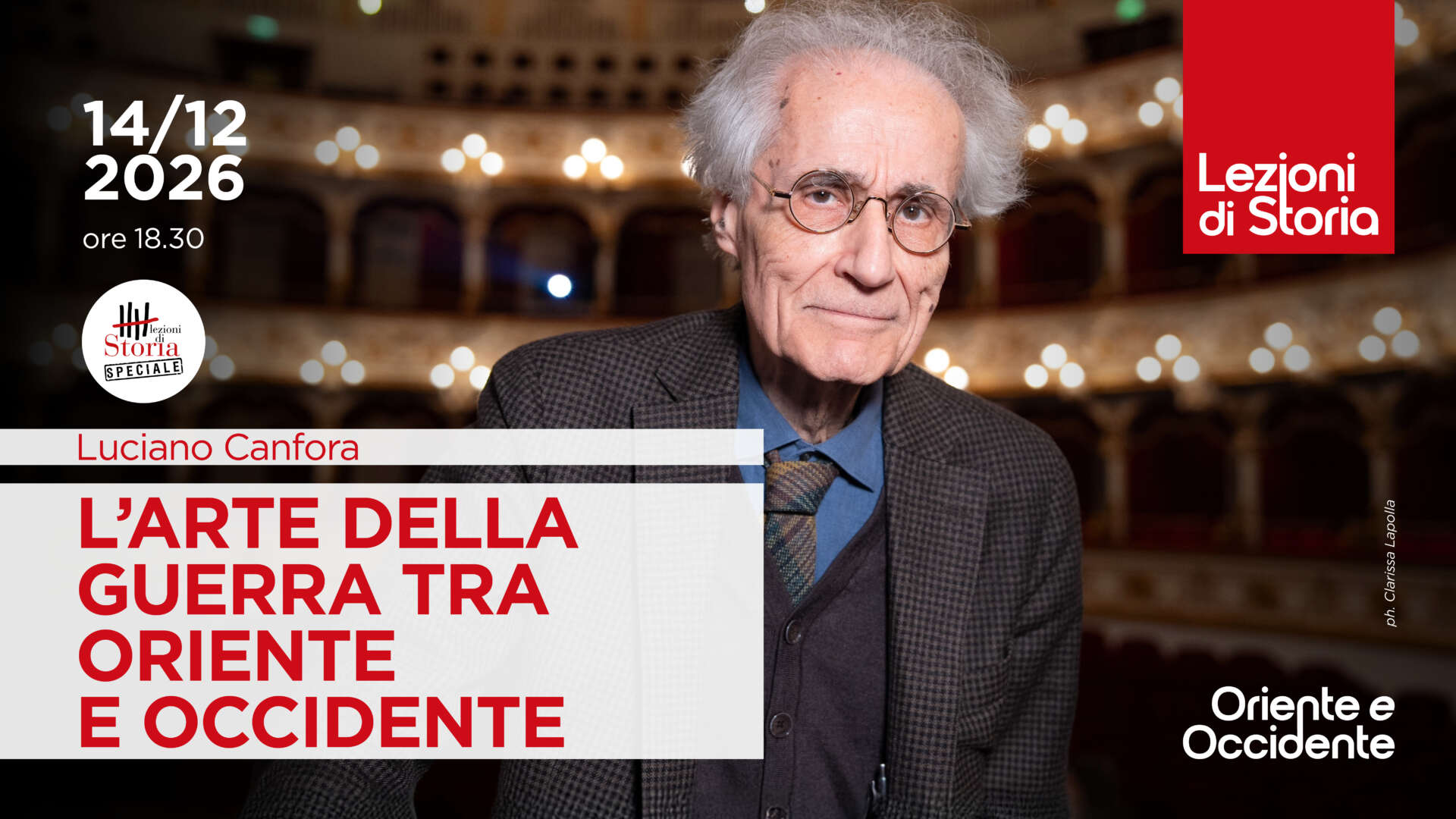
Luciano Canfora
After the fall of the USSR, the idea took hold that the West, led by the United States, held the fate of the world in its hands. The “superiority” of Western military power has also fueled the belief that, ever since ancient Greece, it has been an expression of a more advanced political culture. And that this justifies “exporting democracy” through the use of force. The Chinese master Sun Tzu offers a different perspective in *The Art of War*, describing tactics and behaviors inspired not by aggression but by prudence—perhaps as a tribute to the Eastern, and specifically Chinese, worldview of the time.
Luciano Canfora taught Greek and Latin Philology at the University of Bari.
| DURATION | DATE | PLACE | COST | PARTICIPANTS |
|---|---|---|---|---|
| 1 hour | December 14, 2026, 6:30 p.m. | Donizetti Theater | €11 | subject to theater availability |
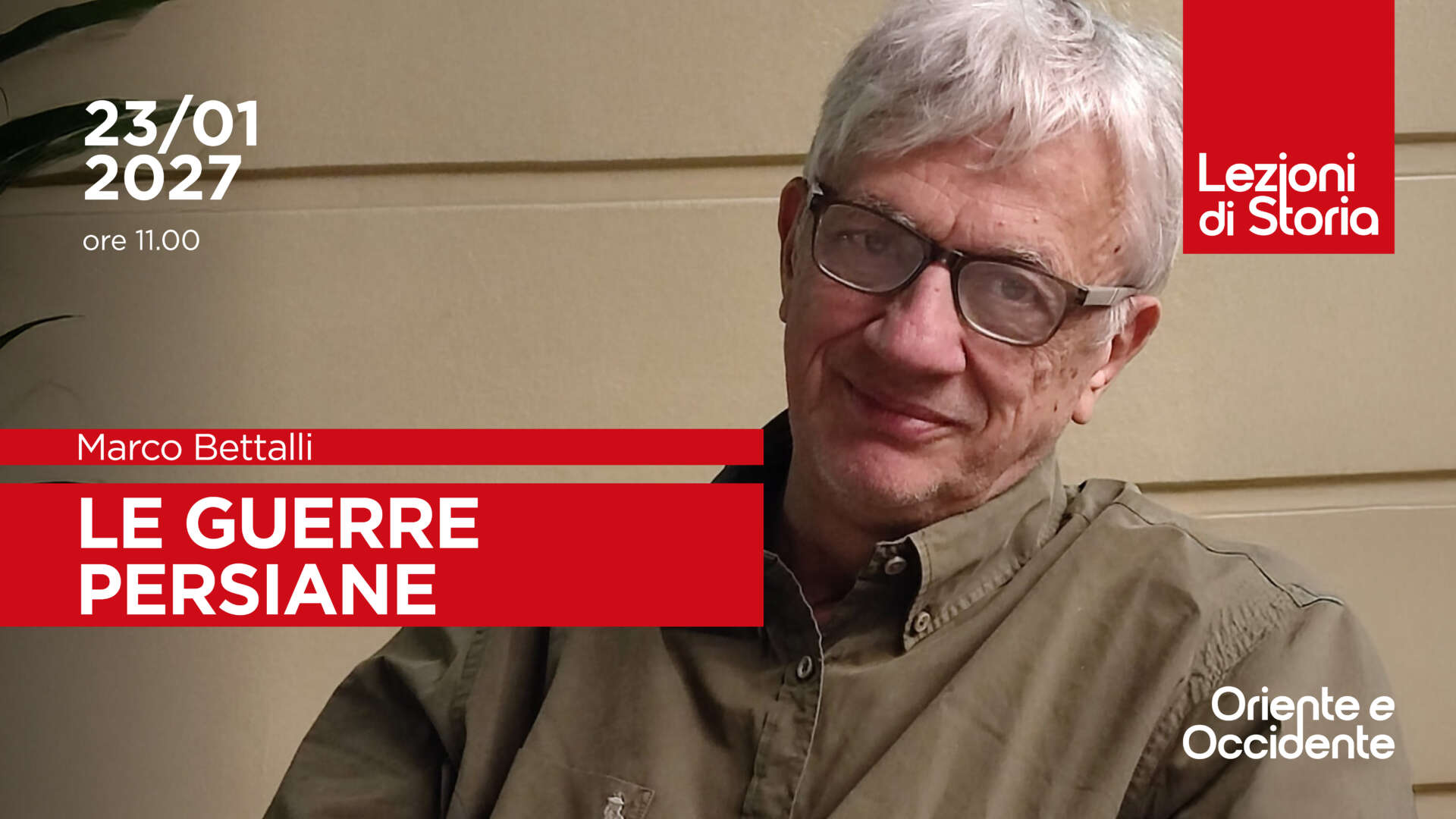
Marco Bettalli
In 480–479 B.C., the Greeks defeated the greatest empire of their time. The Persian Wars were the first well-documented military conflict between the East and the West, the first of many that would follow throughout history. They made an enormous impression on contemporaries, but they also generated a flood of rhetoric about the superiority of the “free” West over the “enslaved” East of the Great King of Persia. Two thousand five hundred years later, we are more or less in the same place; a reexamination of those years of war may therefore be useful.
Marco Bettalli taught Greek history at the University of Siena.
| DURATION | DATE | PLACE | COST | PARTICIPANTS |
|---|---|---|---|---|
| 1 hour | January 23, 2027, at 11:00 a.m. | Donizetti Theater | €11 | subject to theater availability |
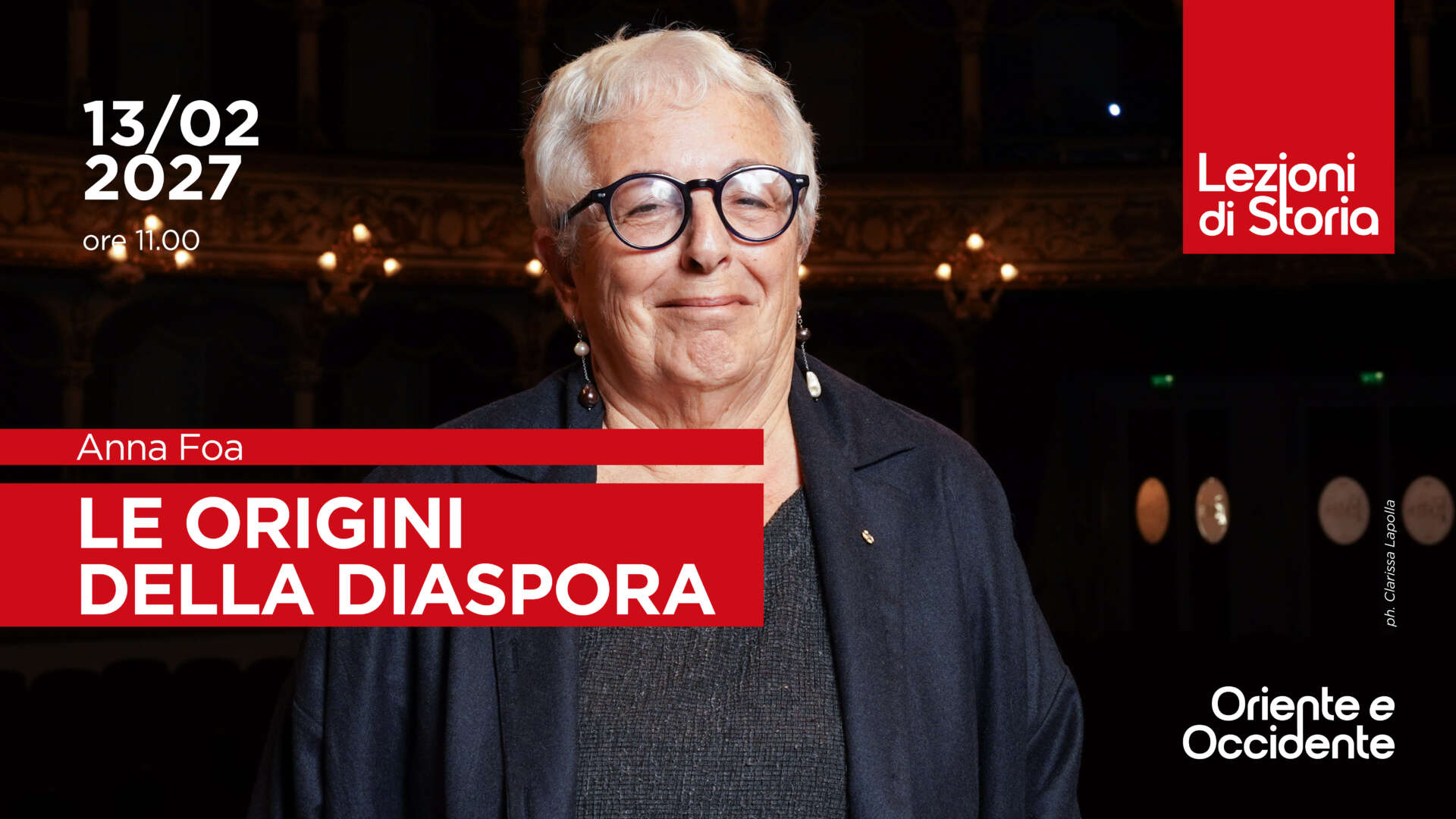
Anna Foa
At the end of the 19th century, the Zionist project transformed the entire Jewish world, not only by envisioning and creating the new Jewish state, but also—in opposition to or through interaction with neighboring peoples—by redrawing the material, cultural, and ideal boundaries of the Diaspora, thereby redefining the space in which Jewish life had unfolded for two thousand years. Nothing would ever be the same again in the new relationship between the two Jewish worlds.
Anna Foa taught modern history at La Sapienza University in Rome.
| DURATION | DATE | PLACE | COST | PARTICIPANTS |
|---|---|---|---|---|
| 1 hour | February 13, 2027, at 11:00 a.m. | Donizetti Theater | €11 | subject to theater availability |
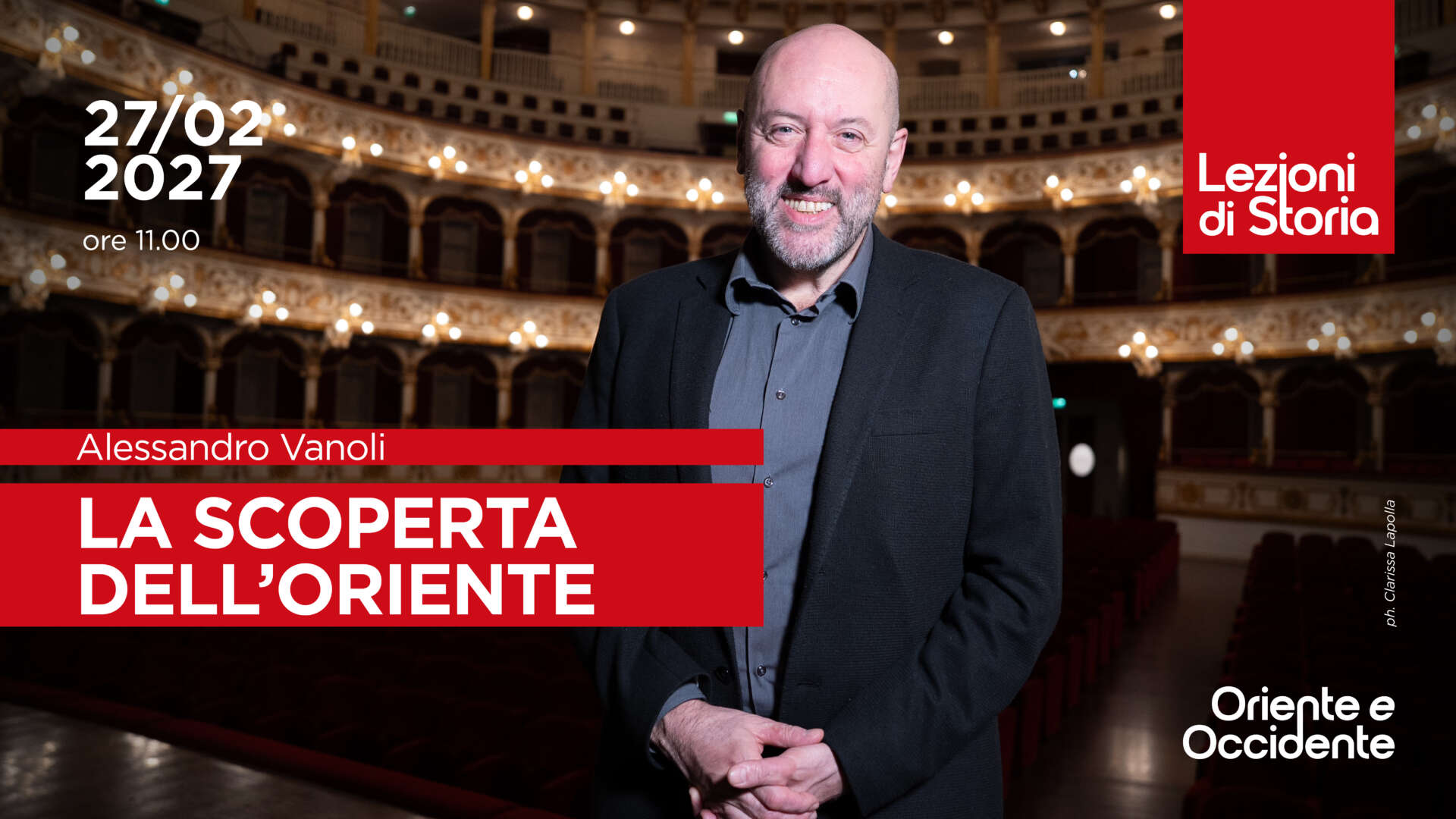
Alessandro Vanoli
What is the “East” really? Not a geographical location, but an idea constructed over time by the Western imagination. In this lesson, we’ll trace the stages of this cultural invention: from medieval travelers to Romantic notions, all the way to contemporary stereotypes. We’ll come to discover how our view of the “other” always reveals much more about the observer than about what is being observed.
Alessandro Vanoli is a historian, writer, and popularizer of history.
| DURATION | DATE | PLACE | COST | PARTICIPANTS |
|---|---|---|---|---|
| 1 hour | February 27, 2027, 11:00 a.m. | Donizetti Theater | €11 | subject to theater availability |
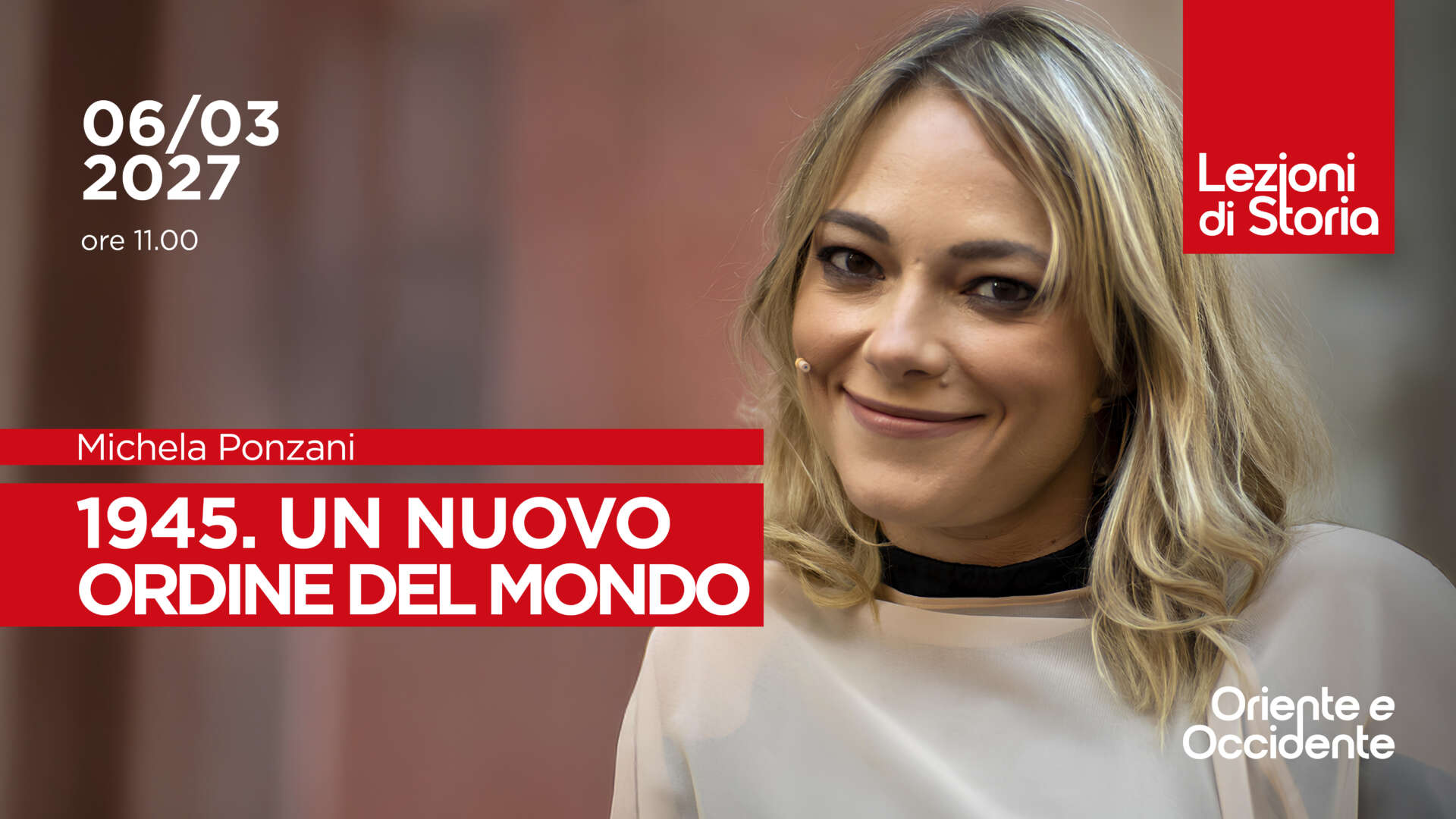
Michela Ponzani
“Freedom of thought and speech, freedom from fear and want, freedom from misery.” This is how Franklin Delano Roosevelt announced the principles of the Atlantic Charter: a new world order in which the civil rights inherited from nineteenth-century liberal constitutionalism would be combined with social justice and equality. These concepts inspired, during that same period in Italy, a group of young anti-fascists exiled to the island of Ventotene—young people capable of envisioning a Europe founded on the values of justice and freedom. This legacy is all the more important today, as the return of war to Europe has shattered the illusion of a just and lasting peace.
Michela Ponzani is a historian, writer, and television host.
| DURATION | DATE | PLACE | COST | PARTICIPANTS |
|---|---|---|---|---|
| 1 hour | March 6, 2027, at 11:00 a.m. | Donizetti Theater | €11 | subject to theater availability |
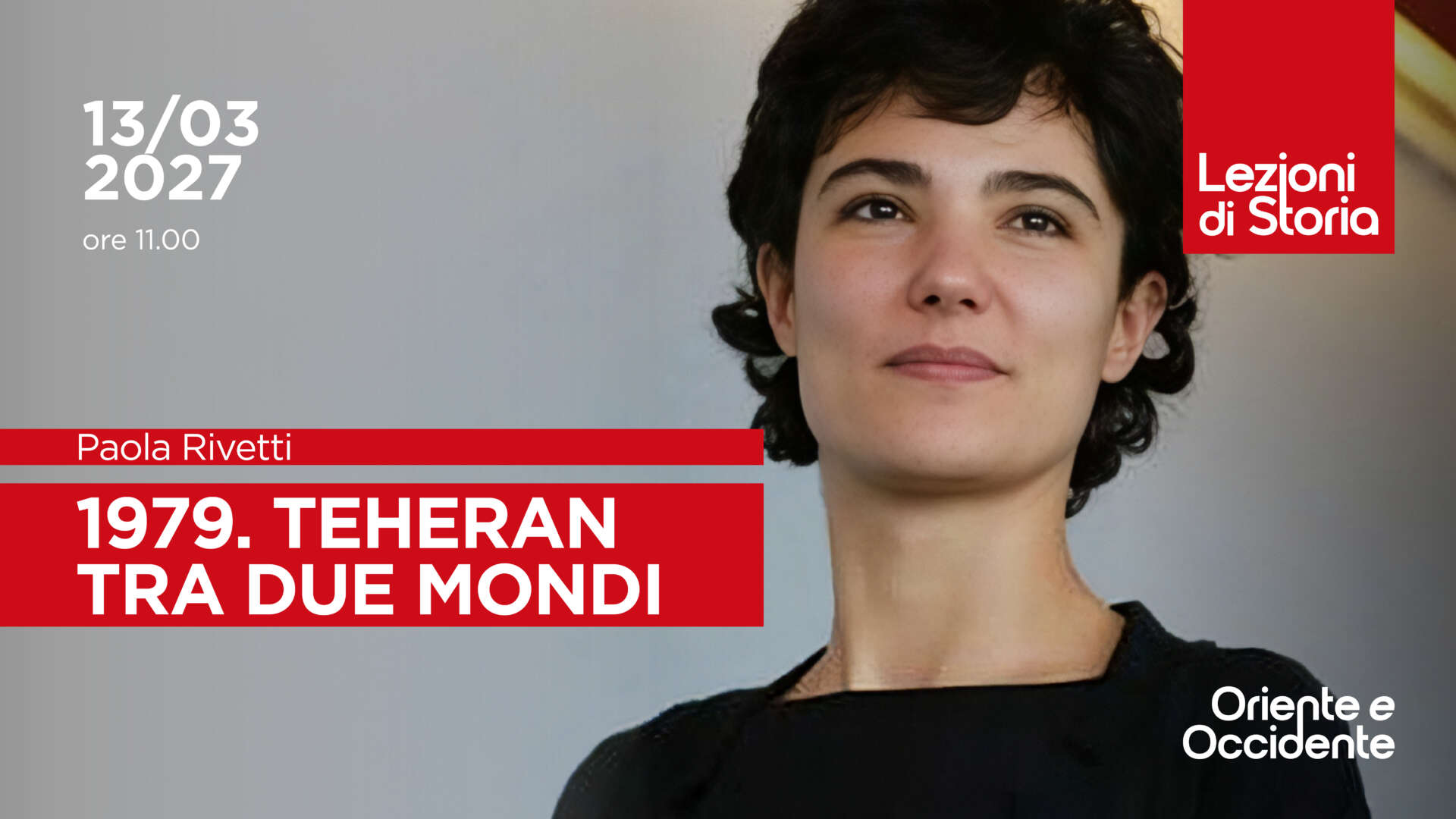
Paola Rivetti
“A turning point for the world”: that is how scholars and eyewitnesses described it. The 1979 revolution was the dream and aspiration of generations of activists who longed to build a new, just world. Within a few months, however, Tehran transformed from the ideal political capital for groups and collectives of all kinds into the center of an authoritarian government, caught in a spiral of isolation and repression. The consequences—significant and dramatic—are still felt today in world politics.
Paola Rivetti teaches at Dublin City University in Dublin.
| DURATION | DATE | PLACE | COST | PARTICIPANTS |
|---|---|---|---|---|
| 1 hour | March 13, 2027, 11:00 a.m. | Donizetti Theater | €11 | subject to theater availability |
The initiative is part of

Promoted by