 GO TO DONIZETTI OPERA
 GO TO BERGAMO JAZZ
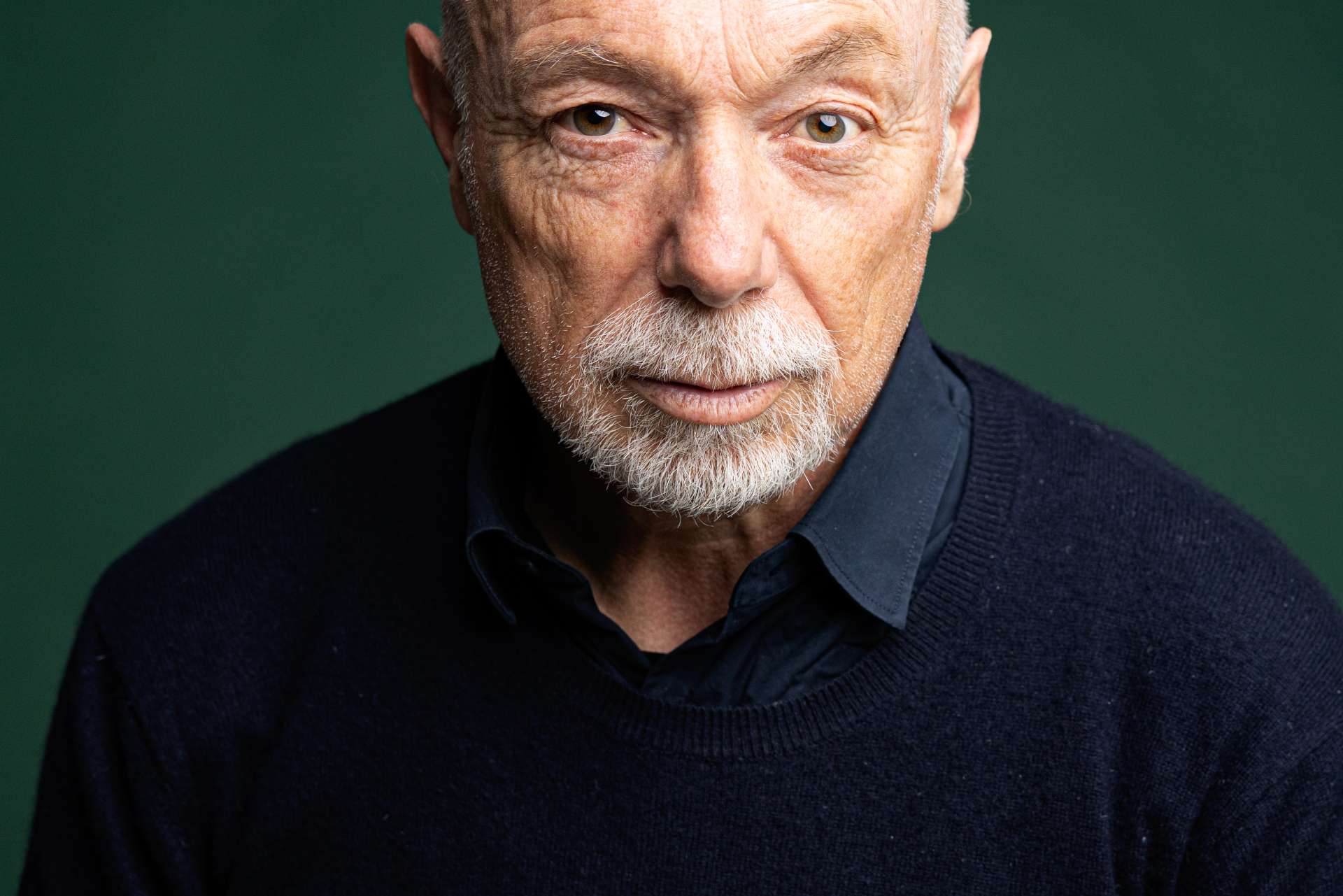
St. Petersburg and the avant-garde
with Paolo Nori
Saturday, February 14, 2026 at Donizetti Theater
last meeting
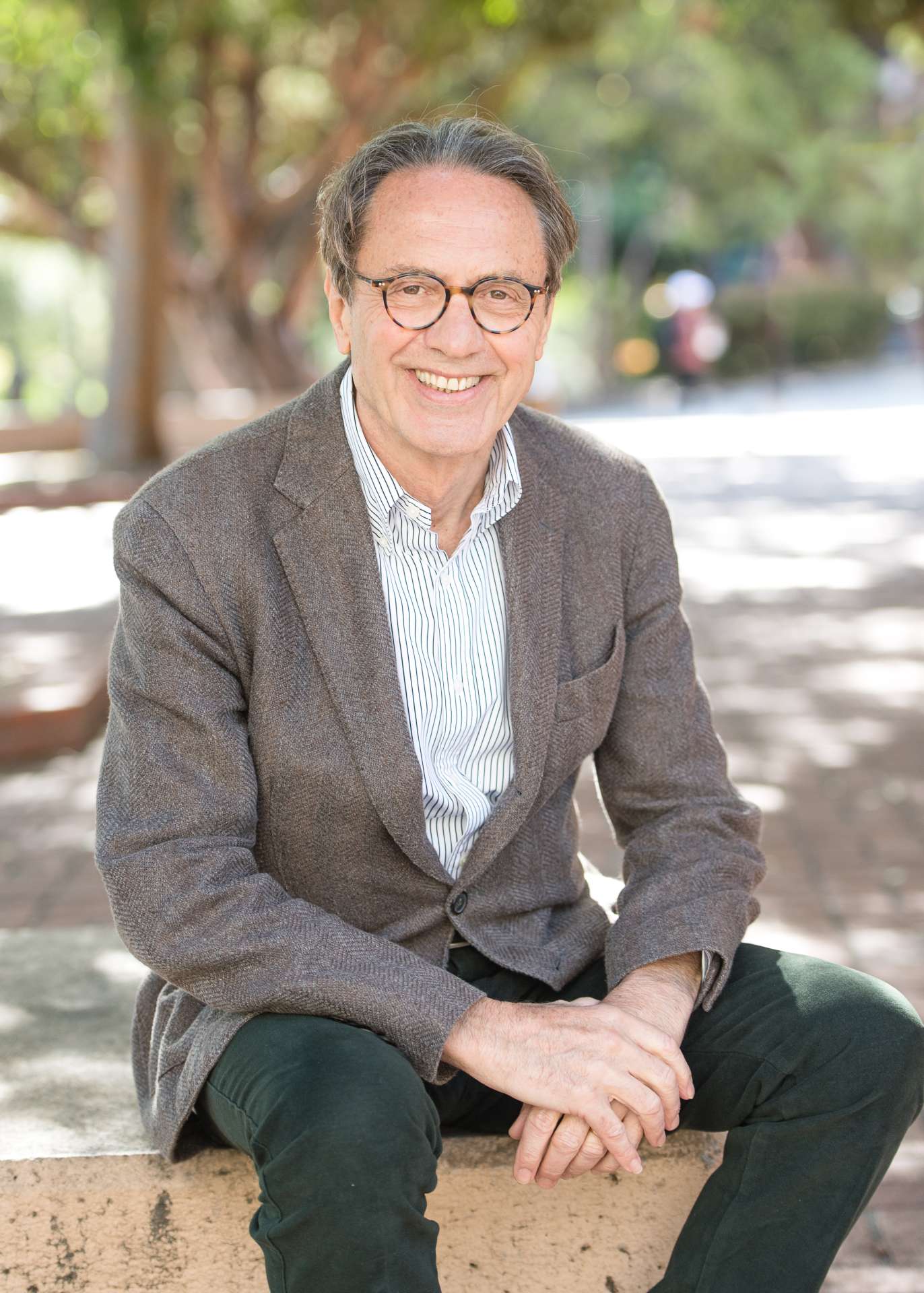
Saturday, Feb. 14, at 11 a.m., at the Donizetti Theater, concludes the third edition of the Lessons in History organized by the Donizetti Theater Foundation in collaboration with Editori Laterza and with the support of BCC Oglio e Serio. The stimulating journey through the Cultural Capitals, which previously stopped in Athens, Venice, Constantinople and Rome, lands in St. Petersburg, cradle at the beginning of the last century of seminal artistic avant-garde. The writer and translator Paolo Nori, deep connoisseur of Russian culture, finalist for the Strega Prize 2025.
Russian culture and literature have found particularly fertile ground in St. Petersburg, giving birth in the few decades since its founding in the early 18th century to a dizzying succession of writers who have authored extraordinary novels. From the founding poem of Russian culture, Aleksandr Sergeevič Pushkin’s Eugene Onegin, to the masterpieces of Dostoevsky, Gogol, Tolstoy, and Lermontov to, precisely, the avant-garde movements of the last century. Paolo Nori is the ideal narrator to tell the story of the St. Petersburg of the October Revolution with a highly original look, as well as with a surprising and unique style, which above all brings out the resonances that that world continues to have today.
Paolo Nori lives in Casalecchio di Reno and is the author of numerous books. Among his publications: Russians are crazy. A synthetic course in Russian literature 1820-1991 (Turin 2021, new edition 2022); Bleeding again. The Incredible Life of Fyodor M. Dostoyevsky. (Milan, 2021) and Vi avverto che vivo per l’ultima volta (Milan, 2023) and Chiudo la porta e urlo (Milan, 2024), a finalist for the Premio Strega 2025. For Laterza, he is the author of. We are then delicate people. Bologna Parma, ninety kilometers (2007), Baltic 9. Guide to the mysteries of the East (with D. Benati, 2008), The Words without the Things (2016), A Night at the Russian Museum (2024).