 GO TO DONIZETTI OPERA
 GO TO BERGAMO JAZZ
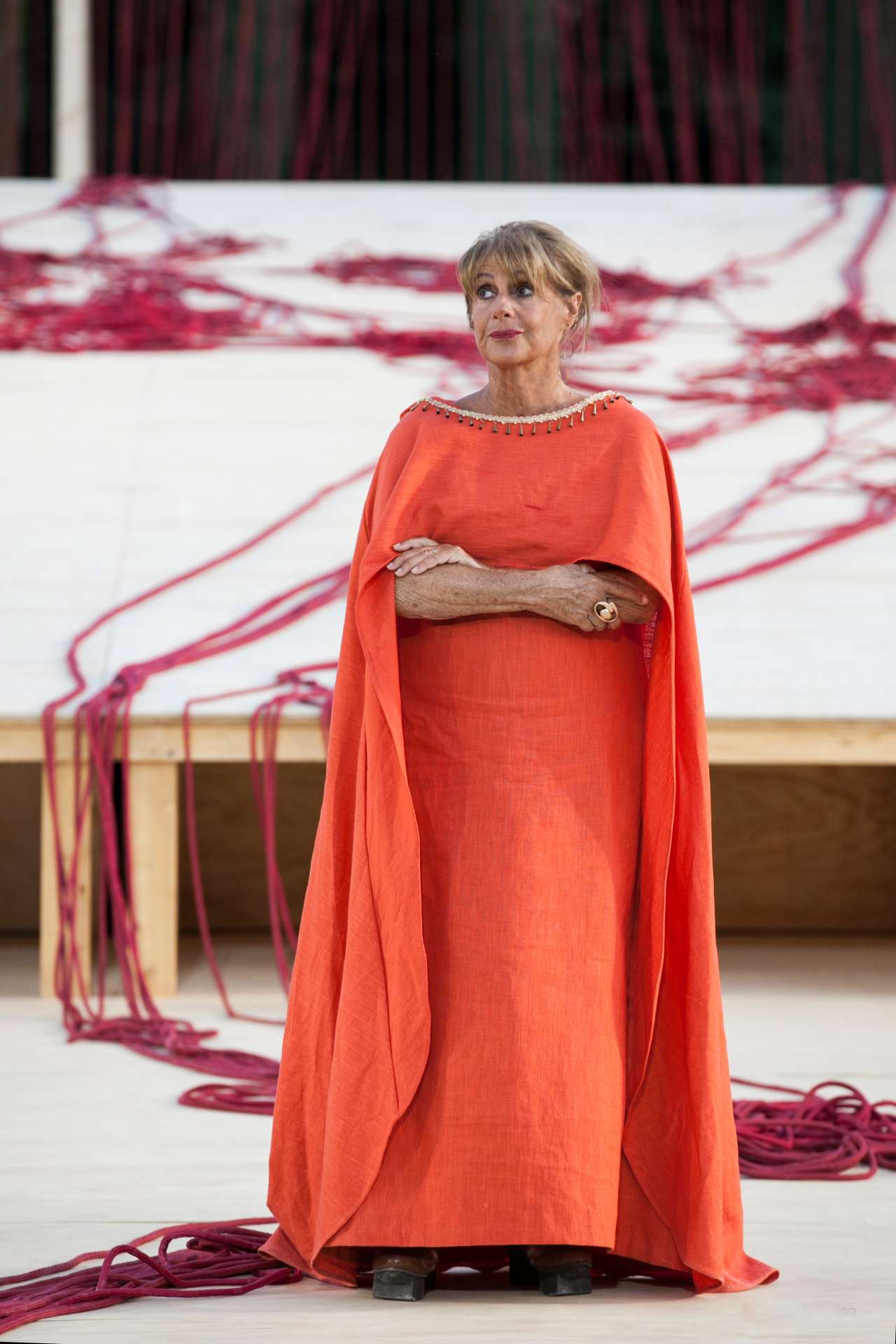
Lysistrata
with Lella Costa
directed by Serena Sinigaglia
From February 7 to 15 at the Donizetti Theatre
National premiere of the new version of the play
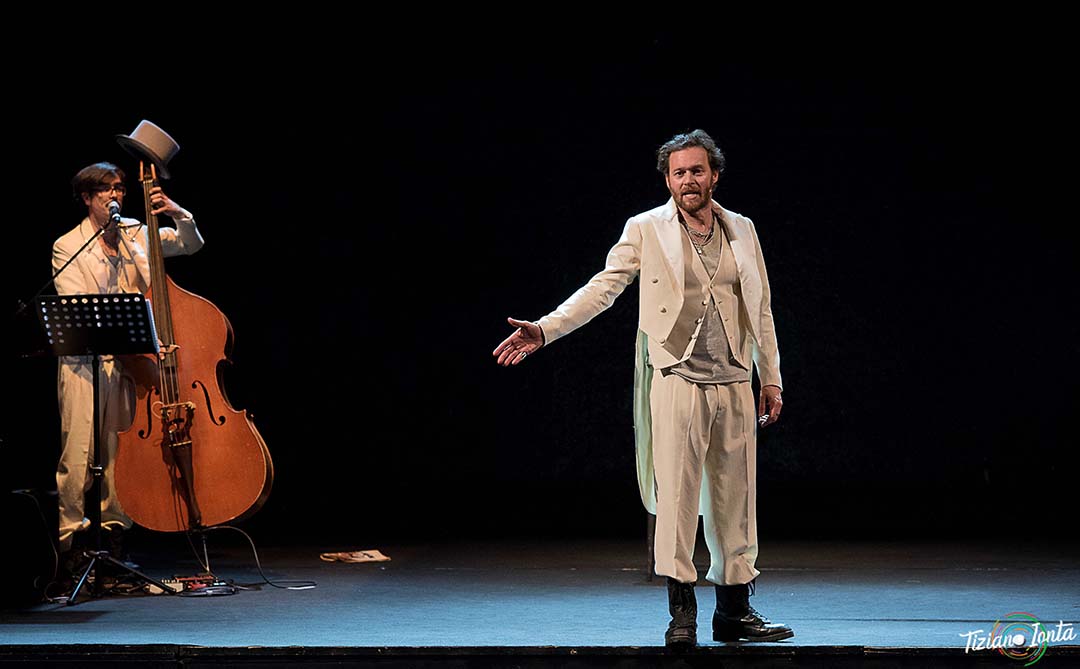
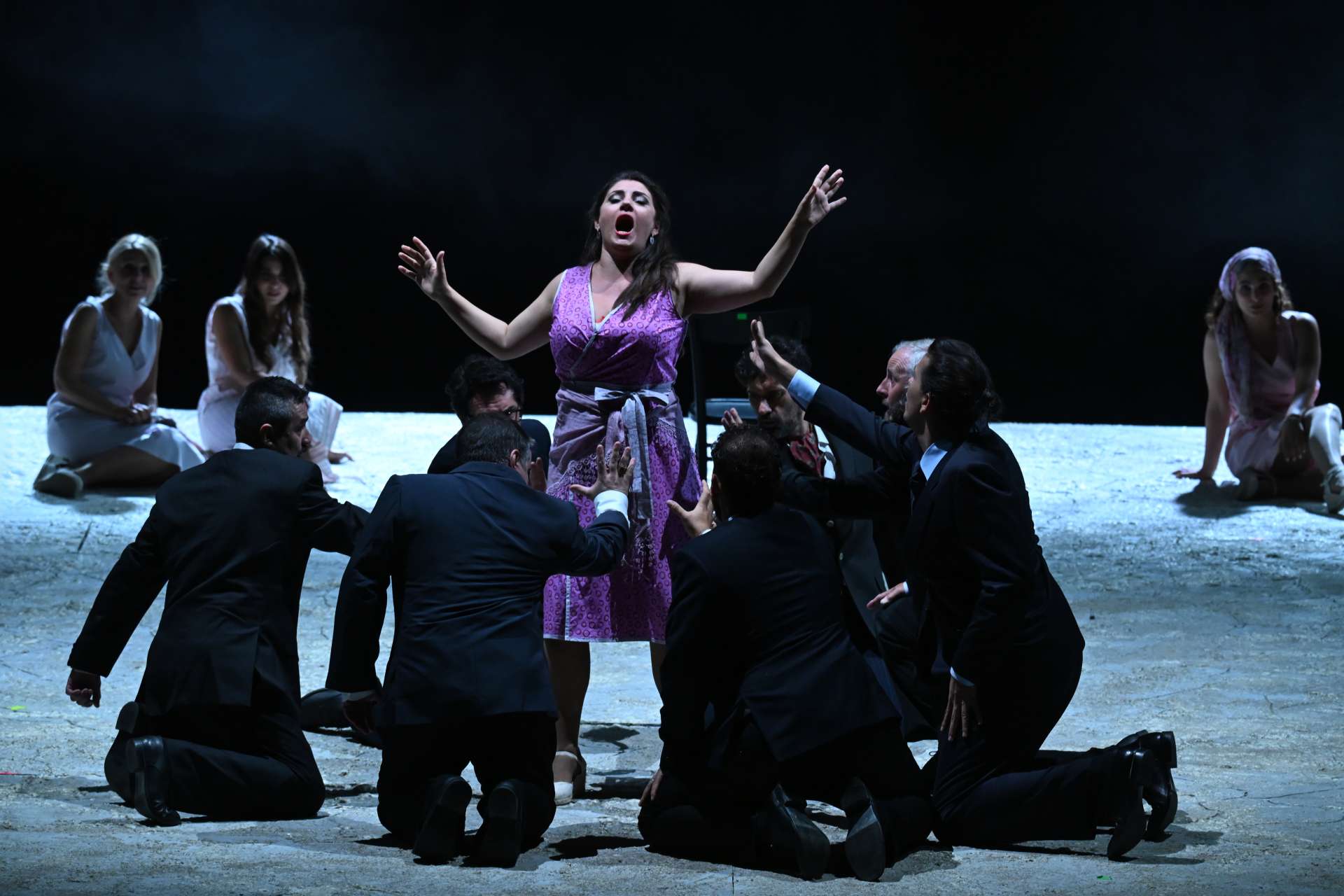
Lysistrata, one of the most anticipated titles of the Donizetti Theater Foundation’s Prose Season 2025-2026, is coming to Bergamo’s main city theater from Saturday, Feb. 7 to Sunday, Feb. 15, for no less than nine continuous performances. The play, which stars Lella Costa, a beloved actress for audiences in Bergamo and beyond, was performed to great acclaim last summer at the Greek Theater in Syracuse and is now being offered in a new version on a long national tour that kicks off right from Teatro Donizetti. It is directed by Serena Sinigaglia, who also supervised the adaptation of Aristophanes’ text, translated by Nicola Cadoni, together with Emanuele Alrovandi. Alongside Lella Costa will be on stage Marco Brinzi, Francesco Migliaccio, Stefano Orlandi, Maria Pilar Pérez Aspa, Giorgia Senesi and Irene Serini.
A meeting with Lella Costa herself and the company is scheduled for Thursday, Feb. 12, at 6 p.m. at the “Tremaglia” Music Room of the Donizetti Theater.
Coordinated by Maria Grazia Panigada, Artistic Director of the Prose Season and Other Paths.
Written by Aristophanes in the fifth century B.C., Lysistrata is one of the most famous comedies of antiquity, but its satirical force and message remain strikingly relevant today. Underlying it is a terribly serious premise: war, the ongoing, cyclical destruction of humanity that never seems to find an end. Lysistrata is not just a play. It is a provocation, an act of rebellion disguised as laughter. Aristophanes’ heroine has the stature of a tragic figure, determined to restore life where death reigns, love where hatred reigns. In an age like ours, marked by new conflicts and old tensions, her voice returns with overbearing urgency. A number of educational projects promoted by the Donizetti Theater Foundation are underway on the themes of Lysistrata , involving more than 1,000 secondary school students.
Observes Serena Sinigaglia in the director’s notes of her Lysistrata: “It rarely happens in our contemporary world to be able to give time, continuity, in short duration, to a path. Everything is consumed at the speed of light, in a productive vortex, at least in appearance, unstoppable. That’s why this Lysistrata represents for me and for the cast and collaborators a precious opportunity to continue a path, to deepen it, to transform it over time.
After the happy and extraordinary experience of the summer staging for the Greek Theater in Syracuse, the challenge was to be able to make it a tour show, capable of adapting to any space. What to remove and what to keep? The Greek Theater in Syracuse is unique in the world: 5,000 spectators, an open-air amphitheater of rare and ancient beauty. I had to go to the heart, to the synthesis of the work done. In themes and forms. Let’s start with the themes that the play addresses with the hilarious force of laughter and paradox. Lysistrata is the classical comedy that more than any other raises its voice against war, showing its insane, absurd, ridiculous side (if only it were not all so damn true, as well as topical). Aristophanes Ties the very existence of war to bad government. Good government does not wage war. Period.”
Serena Sinigaglia continues, “The metaphor of a loom where the threads are all entangled and knotted instead of being stretched out and ready for weaving encapsulates Lysistrata ‘s political vision and denounces the inability and very serious responsibilities of those who manage power. But that is not all. Aristophanes links the natural warlike instinct of man to the sexual instinct. The insight is as brilliant as it is disarming, reminiscent of slogans from the last century: “Make love, don’t make war.” If we do not possess the grammar of love, if we do not joyfully deploy the Dionysian forces of our sexual impulses, we will surely go to vent elsewhere, and in that elsewhere, in all likelihood, will lodge war. Lysistrata appears to us almost as a “tragic” figure, capable of inspiring and leading a people toward reason and dialectics. “‘She who disbands armies’ simply arms herself with common sense, showing how pathetic we are in our eagerness to possess and destroy (some decidedly more than others).”
“With Emanuele Aldrovandi we worked on the adaptation of the text, alternating moments of pure narration with moments where the action takes over. In absolute respect for the original text, limiting ourselves to supplementing it with a few historical hints and starting from a new premise.
We imagined that, since the glorious day of the taking of the Acropolis and the peace obtained, Lysistrata had decided and proposed to celebrate that extraordinary feat and to return to tell the story until the war had totally disappeared from the world. An act of militancy, a liturgy of peace. 2,500 years have passed. And we are still here, surrounded by wars and violence of all kinds. Lysistrata ‘s voice must therefore continue to emerge from the din of weapons and inept politicians, bringing to the forefront the bright beacon of respect and love among men,” the director concludes.
After Bergamo, Lysistrata will be on tour until mid-May with stops in Udine, Padua, Bologna, Milan, Florence and numerous other cities.