 GO TO DONIZETTI OPERA
 GO TO BERGAMO JAZZ
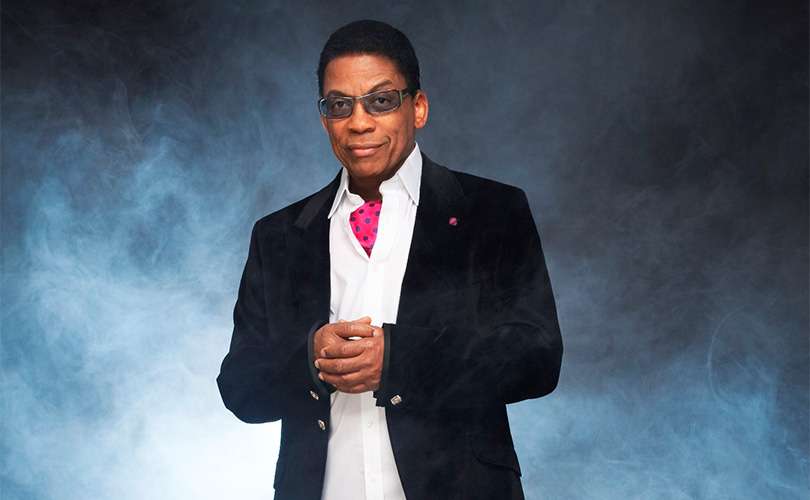
It’s “time for Herbie Hancock: for the” last of the three concerts at Lazzaretto, the “summer edition of Bergamo Jazz will bid farewell, on Friday, July 18 (9:30 PM), to the” highly anticipated return to the city, after over 50 years, of one of the brightest stars in the global music firmament. The renowned American pianist and keyboardist will perform leading a band including trumpeter
Eighty-five years old and not feeling it, 14 Grammy Awards, a vast discography that has always transcended styles and genres, prestigious collaborations, soundtracks for important films: all this and more makes Herbie Hancock one of the most representative artists of over 60 years of modern music history, a true living legend, a free spirit who, with his music, or rather his many musics, has indelibly marked the sonic imagination from the 1960s onwards.
His concert on March 17, 1972, at the Donizetti Theater is rightfully included in the annals of Bergamo’s jazz festival: at the time, thirty-two years old, Herbie Hancock won over the audience with the electrifying electroacoustic blend of his Mwandishi sextet, performing during the festival’s opening night alongside trumpeter Eddie Henderson, trombonist Julian Priester, saxophonist and clarinetist Bennie Maupin, bassist Buster Williams, and drummer Billy Hart. Just this past March, for Bergamo Jazz 2025, Eddie Henderson and Billy Hart returned to the Donizetti stage as members of The Cookers.
Born in Chicago in 1940, Herbie Hancock was the typical child prodigy: at just 11 years old, he played a Mozart concerto with the Chicago Symphony Orchestra. He approached jazz by listening to two very different pianists, Oscar Peterson and Bill Evans. His first engagement that brought him into the spotlight was in 1960 with Donald Byrd. In 1963, he recorded his first album for Blue Note,
Since 2011, Herbie Hancock has been a UNESCO ambassador and supports the “International Jazz Day that takes place every April 30: a day, which Bergamo Jazz has long been participating in, in the spirit of sharing the values of inclusion and dialogue between different cultures that Herbie Hancock has always been an authoritative messenger for.”