 GO TO DONIZETTI OPERA
 GO TO BERGAMO JAZZ
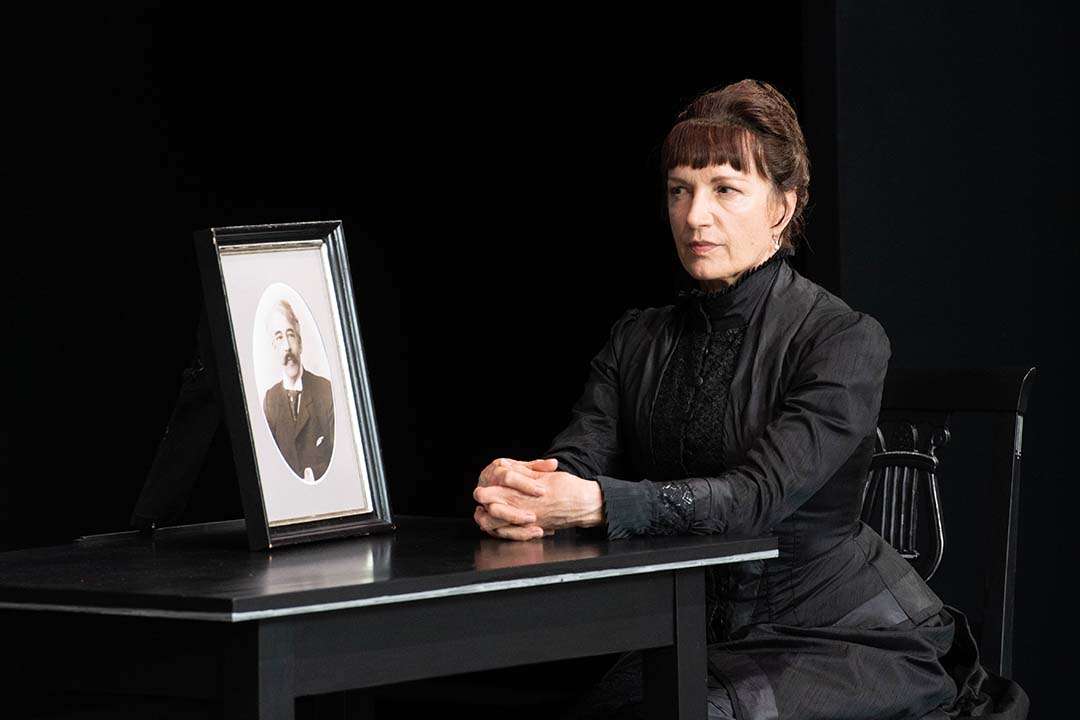
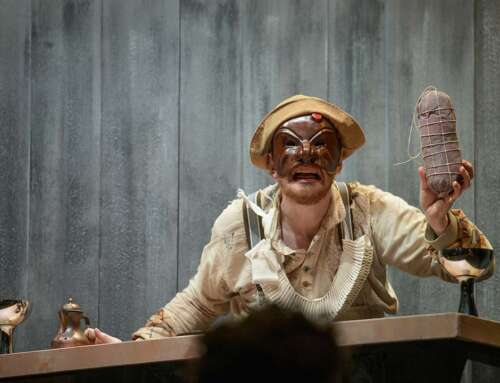
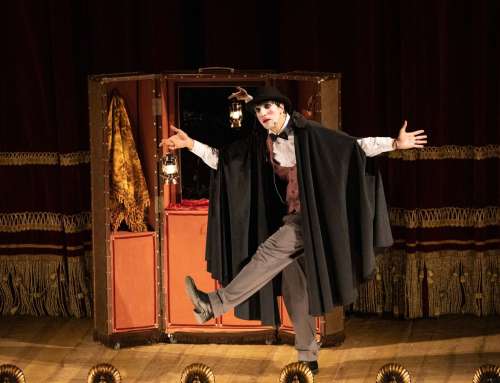
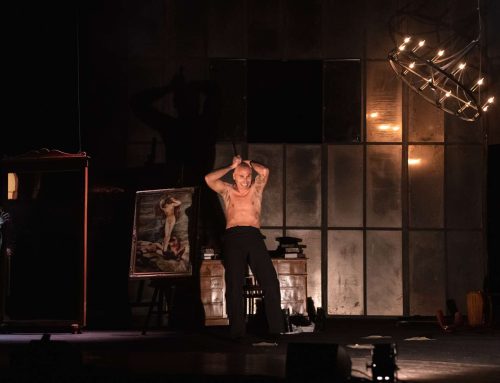
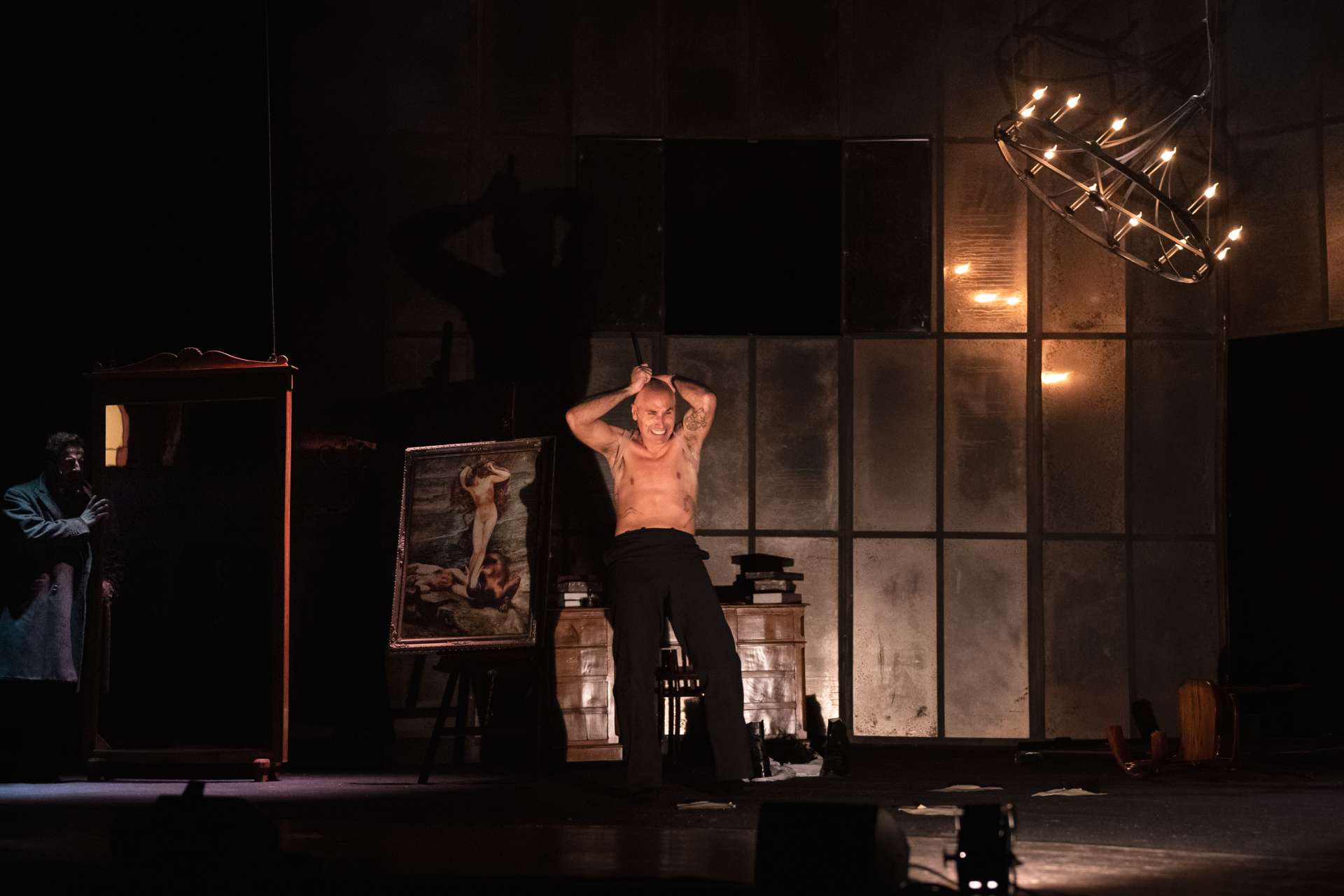
After opening in December with a tribute to the comic art of Gilberto Govi’s Pignasecca and Pignaverde, the Donizetti Theatre Foundation’s Prose Season 2025-2026 gets into full swing: from Saturday, January 17 to Sunday, January 25, with the exception of Monday, January 19, the main city theater will stage Crisis of nerves. Three one-acts by Anton Čechov signed by German Peter Stein, one of the most distinguished protagonists of contemporary theater who won the Le Maschere 2024 Prize and the Flaiano 2025 International Prize for directing this play. The adaptation of the original text is by Peter Stein himself and Carlo Bellamio. Performers: Maddalena Crippa, Alessandro Sampaoli and Sergio Basile(The Bear), Gianluigi Fogacci(The Tobacco Damage), Alessandro Averone, Sergio Basile and Emilia Scatigno(The Marriage Question).
Renowned German director Peter Stein directs an extraordinary company by staging Crisis of Nerves. Three One-Acts by Anton Čechov and returns to one of his landmark authors by creating an unconventional artistic mode of production around a group of actors who take turns in the various plays, which Čechov himself not yet 30 years old called “stage jokes.” Written between 1884 and 1891, these one-act plays were inspired by French comedy and vaudeville, genres that were very much in vogue in France at the time of Chekhov. Over time, they have captivated audiences around the world and have become a valuable source of inspiration for actors, writers and directors, as well as irresistible entertainment for entire generations of spectators.
Peter Stein himself writes in the director’s notes, “After the failure of his first two plays, the young Chekhov vowed never to write for dramatic theater again and decided to devote himself exclusively to vaudeville. This circumstance gave us a series of one-act plays, full of sarcasm, paradoxical comedy, extravagant absurdity and mad cruelty, and which in turn became the fertile ground for the experience and preparation of the great works of the author’s maturity. In the three exemplary works we present, the characters from time to time get into fits of nerves, fall ill, fall prey to hysterical attacks, or quarrel with each other constantly. InThe Bear, the protagonist nearly dies of rage over a debt he is not repaid by a woman, whom he goes so far as to challenge to a duel, only to end up on his knees asking her to be his wife. InThe Harm of Tobacco, a supposed speaker is to give a lecture on the negative effects of tobacco, but amid sneezing and asthma attacks, he actually confesses that he wants to end the disastrous life he leads as his wife’s husband.
InThe Marriage Question, the groom-to-be, due to shyness and other physical difficulties, fails to ask the bride-to-be the fateful question, and instead gets into an argument with her, who in turn retorts to him with a sour face and is prey to a hysterical attack when he falls unconscious from hypochondria.
The extreme comedy, exasperation and excesses of cruelty used by the author can only work if accompanied by a realistic and psychologically justified background. However, these are still Chekhov’s works. These are the assumptions the actors had to work on.”