 GO TO DONIZETTI OPERA
 GO TO BERGAMO JAZZ
HISTORY LESSONS 2026 Cultural capitals
Rome, city of the gods
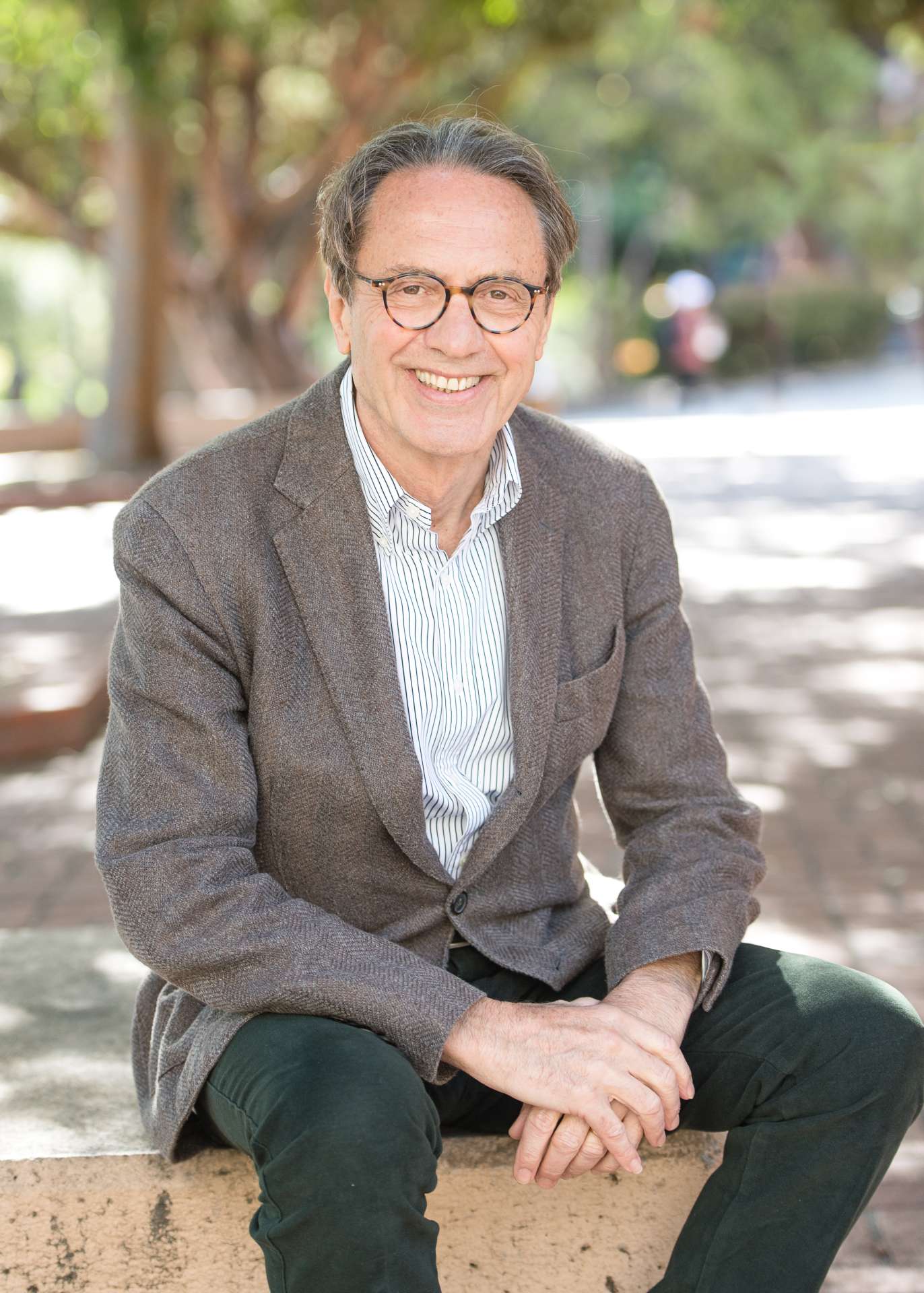
with Maurizio Bettini
Saturday, February 7, 2026 at the Donizetti Theater
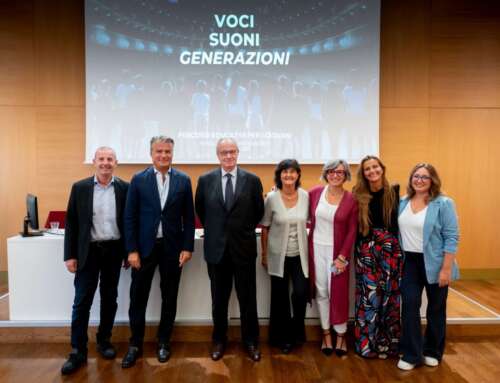
After Athens, Venice and Constantinople, the journey between the Cultural Capitals of the third edition of Lessons in History, an event organized by the Donizetti Theater Foundation in collaboration with Editori Laterza and with the support of BCC Oglio e Serio, makes a stop in Rome, “The City of the Gods.” In fact, Saturday, Feb. 7 at 11 a.m. there will be a meeting with Maurizio Bettini, professor of classical philology at the University of Siena, who will offer a glimpse of ancient Rome from the perspective of an authentic religious laboratory. The meeting will be introduced by journalist Max Pavan, head of information for Bergamo TV.
Maurizio Bettini’s talk starts from afar, from Jupiter, Juno, Venus, which today can still be “seen” in the splendid forms of the statues that adorn museums; but they are now only works of art, not living objects of worship. Yet such literary and figurative figures were once, before the advent of Christianity, powerful deities, honored in Rome by solemn rituals. Above all, however, the Romans’ conception of religion-a complex system deeply integrated into civic life-still has much to teach modern culture. To reread Roman religion today is not to look back with nostalgia, but to question what it can still teach: the value of limit, ritual and community as foundations of coexistence.
Maurizio Bettini, classicist and writer, is director of the Anthropology and Ancient World Center at the University of Siena. From 1992 to 2018 he taught seminars at the Department of Classics at the University of California at Berkeley, in 2017-2018 as Sather Professor. He was several times Directeur d’Études associé at the École des Hautes Études in Paris and taught at the Collège de France. His main field of study is anthropological reflection on Greek and Roman culture, often in relation to the experience of modernity. Recent volumes published include. Homo sum. Being human in the ancient world. (Turin 2019); Wrong forest. The fury of identity (Bologna, 2020); Mythic Knowledge (ed., (Turin, 2021); Rome, city of the word, (Turin, 2022); Who is afraid of the Greeks and Romans? (Turin, 2023); For a point Orpheus lost his cloak (Bologna, 2024); Arrogant humanity. Classical myths and global warming. (Turin, 2025).
The History Lessons will conclude on Feb. 14 with Paolo Nori, who will send back with memory and words to the St. Petersburg of the October Revolution: a hotbed of novelty, an unrepeatable ferment that, in the intermingling of the new socialist ideology and the artistic avant-gardes, will radiate throughout Europe.